Song Meaning
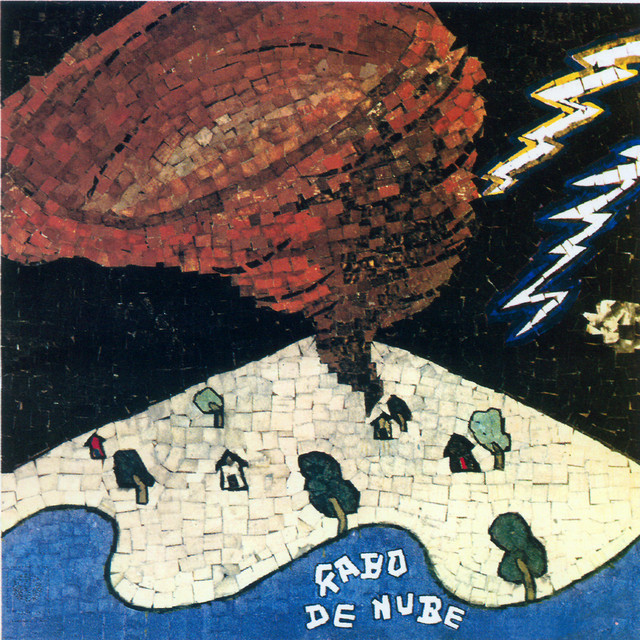
The narrator expresses a profound desire for a "rabo de nube," a whirlwind or storm cloud, not for personal gain, but as a powerful force of cleansing and renewal. This isn't a gentle wish; it's a demand for something immense and transformative, a "whirlwind on the ground" and a "great anger that rises." The imagery evokes a natural disaster, but one wielded with intent, capable of sweeping away negativity and bringing about a radical shift.
The core tension lies between the destructive potential of this "cloud's tail" and the hopeful outcome it promises. It's described as a "sweeper of sadnesses" and a "downpour in vengeance," suggesting a violent purging of sorrow and injustice. Yet, the ultimate aim is not devastation but catharsis, with the hope that "when it stops, it looks like our hope." This duality positions the storm as a necessary, albeit aggressive, precursor to a brighter future.
The most striking craft element is the personification of the storm as an active agent of change. It's not just a weather event; it's a tool for "sweeping away the ugly" and leaving behind something pure, perhaps even angelic, symbolized by the "cherub." The repetition of the desire for this specific kind of storm reinforces its central importance, framing it as the ultimate, albeit unconventional, wish.
This lyrical construction hits hard because it taps into a deep-seated yearning for radical change when faced with overwhelming sadness or injustice. The narrator doesn't ask for comfort; they ask for a force powerful enough to obliterate the bad, trusting that something good will inevitably emerge from the wreckage. The vivid, almost violent, imagery makes the desire for a fresh start feel urgent and earned.
 View Artist