Song Meaning
The lyrics paint a picture of someone grappling with a life shaped by circumstance, questioning the validity of received wisdom. The opening lines, "When you're born in the gutter / And you don't know no better," immediately establish a sense of limited options and a pragmatic approach to survival. This foundation leads to a distrust of traditional teachings, as the narrator states, "I've been taught the good book won't lead me on." This sets up a core tension between inherited beliefs and personal experience.
The central conflict emerges from this uncertainty. The repeated, almost desperate, refrain of "Who knows?" underscores a profound lack of answers and a feeling of being adrift. The narrator finds solace or perhaps just a different kind of interaction with children, who "don't give the answers / Most people do." This suggests a weariness with the pronouncements of others and a search for a more genuine, unvarnished perspective, even if it offers no concrete solutions. The question "Who knows what tomorrow may bring?" becomes a constant, unanswerable echo.
The most striking aspect of the writing is its relentless focus on the unknowable and the absence of external authority. Phrases like "Nobody, that's who" and "No one can plan it for you" directly confront the listener with the idea that ultimate judgment and guidance are absent. The image of searching for a path "That hasn't been crossed" highlights a desire for originality or meaning in a world that feels pre-trodden, yet the ultimate purpose of this search remains elusive, ending with the same unanswered question: "For what, who knows?"
This lyrical approach is effective because it mirrors a universal human experience of doubt and the search for meaning in the face of overwhelming uncertainty. By repeatedly posing the question "Who knows?" and offering only the stark reply of "Nobody," the song creates a powerful emotional resonance. It validates the feeling of being without clear answers, making the listener feel seen in their own moments of existential questioning. The raw, direct language avoids pretense, directly confronting the listener with the uncomfortable truth that many fundamental questions may remain unanswered.
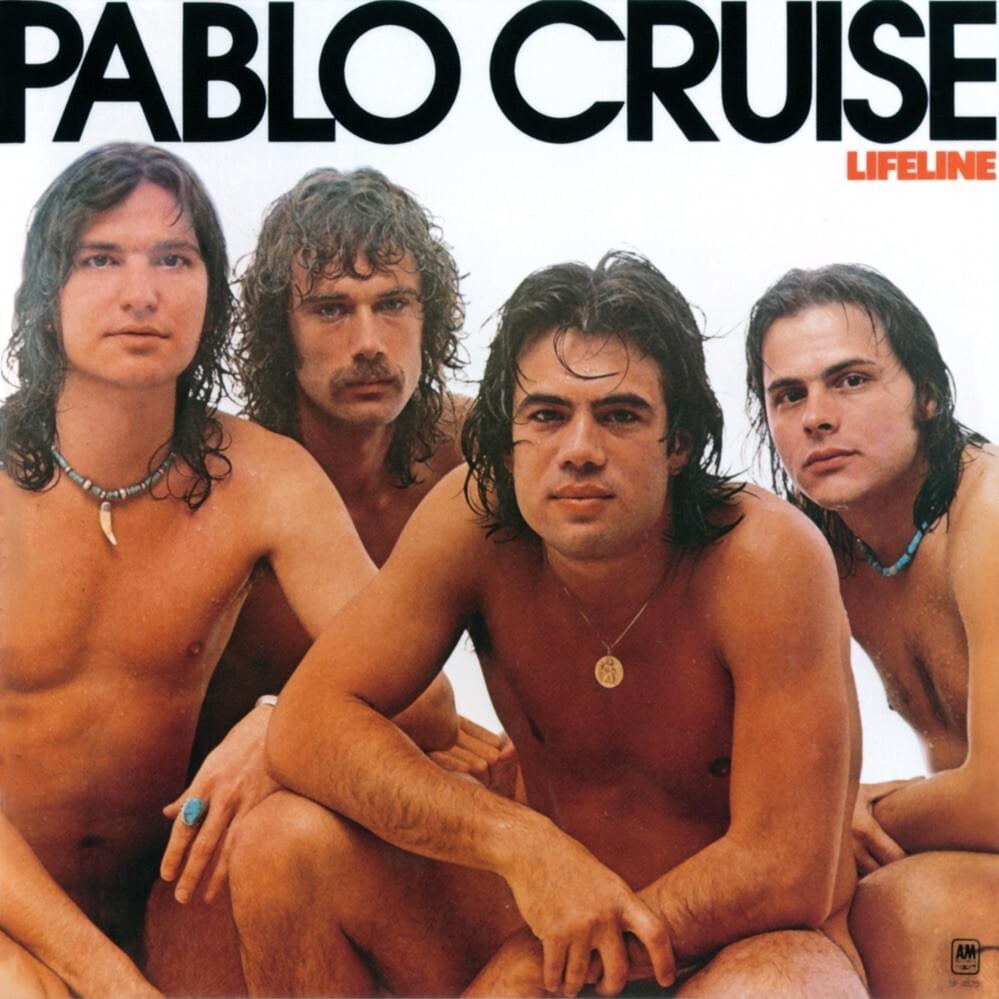
 View Artist