Song Meaning
The lyrics paint a vivid picture of a world collapsing, starting with the literal image of a falling afternoon, described as a man tumbling down stairs. This sets a tone of sudden, violent descent. The sky itself burns, and abstract concepts like optimism are explicitly declared gone, replaced by the encroaching 'edges of the abysses.' The imagery is stark and unsettling, suggesting a profound sense of loss and despair where even natural elements like an olive tree react with a 'cry.'
This descent into darkness is punctuated by bizarre, almost surreal events: a meteorite falls, a fish tank explodes, and hope is lost 'like a child on Christmas Eve.' These chaotic occurrences amplify the feeling of a world unraveling, where established order is shattered. Yet, amidst this devastation, a faint sound of a tambourine emerges from 'lost parks,' hinting at a persistent, perhaps defiant, spark of life or joy.
The chorus introduces a stark contrast, bringing in a 'new Zulu dawn' and the presence of 'you.' This shift is abrupt, moving from widespread desolation to a personal, intimate moment. The specific details of 'your shirt and your canesu' ground this encounter, making it feel tangible against the abstract collapse described earlier. It suggests that even in the face of overwhelming darkness, a personal connection can offer a glimmer of hope or a point of focus.
The lyrics conclude by reinforcing the pervasive gloom with images of an organized eclipse and a broken afternoon, comparing it to an old woman's broken hip. The darkness seems absolute, with only a black sky visible behind the clouds. However, the 'air of the moon' stirs like a cowbell, a final, subtle disturbance that mirrors the earlier tambourine. This persistent, almost involuntary movement in the atmosphere, coupled with the presence of 'you,' implies that even when all seems lost, there are subtle, enduring forces at play, perhaps suggesting resilience or the quiet persistence of life and connection.
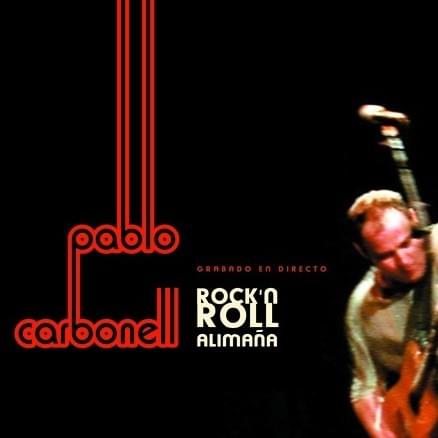
 View Artist