Song Meaning
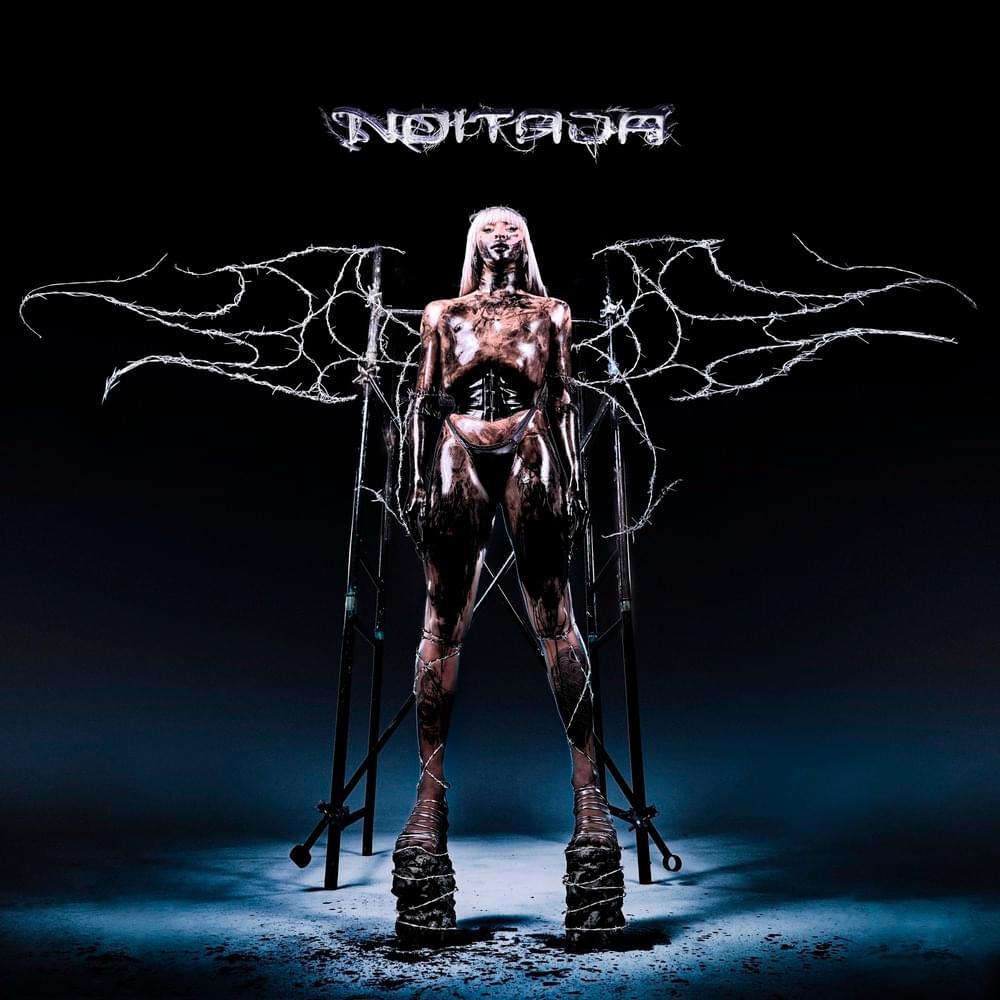
Pabllo Vittar's "After" pulses with a relentless, almost defiant energy, capturing the intoxicating allure of nightlife and its promise of endless possibility. The lyrics, though sparse, paint a vivid picture of someone completely consumed by the moment, rejecting the constraints of time and the outside world. The opening lines, "Tudo tem o seu fim, mas eu não terminei / Noitada começou e ela me fez de refém," immediately establish this tension between finite reality and the desire for perpetual experience. Vittar isn't just enjoying a party; she's actively resisting its inevitable conclusion, held captive by the night's intoxicating power. This feeling of being a 'hostage' to the night hints at a deeper psychological undercurrent, perhaps a fear of facing the silence and solitude that dawn inevitably brings. The song's meaning orbits this central conflict.
The repeated question, "Qual é o after da vez?" (What's the after-party this time?), becomes a mantra, a desperate plea to prolong the euphoria. It's not just about finding the next location; it's about chasing an elusive feeling, a state of being where anxieties and responsibilities cease to exist. The lines "Eu vou viver pra sempre, nunca vai ser diferente / Não vem me perguntar que horas tem" further emphasize this detachment from conventional time and the yearning for an eternal present. The constant phone ringing, juxtaposed with the desire to "dançar mais um ano," highlights the push and pull between the demands of reality and the intoxicating freedom of the dance floor.
Ultimately, "After" is a sonic exploration of escapism, a yearning to transcend the limitations of everyday life through the immersive experience of nightlife. Pabllo Vittar captures this desire with a compelling blend of hedonism and underlying vulnerability, inviting listeners to lose themselves in the rhythm and consider what they might be running from when they chase the endless after-party. The song's true meaning may lie not in the celebration itself, but in the unspoken anxieties it attempts to mask.
 View Artist