Song Meaning
The lyrics paint a vivid picture of someone stuck in a loop of self-doubt and regret, symbolized by the train station and its numbered platforms. The narrator starts by describing a familiar, almost ritualistic return to a state of unease, 'hugging their knees' as the 'ticket gate cries out.' This sets a tone of passive observation and internal struggle, as they face a choice of five platforms at a specific, almost desperate hour: 6:59 AM. The imagery of numbered platforms and the contrasting personas – 'I' on platform one is dull, 'she' on platform two is cold – immediately establishes a sense of fragmented identity and external judgment.
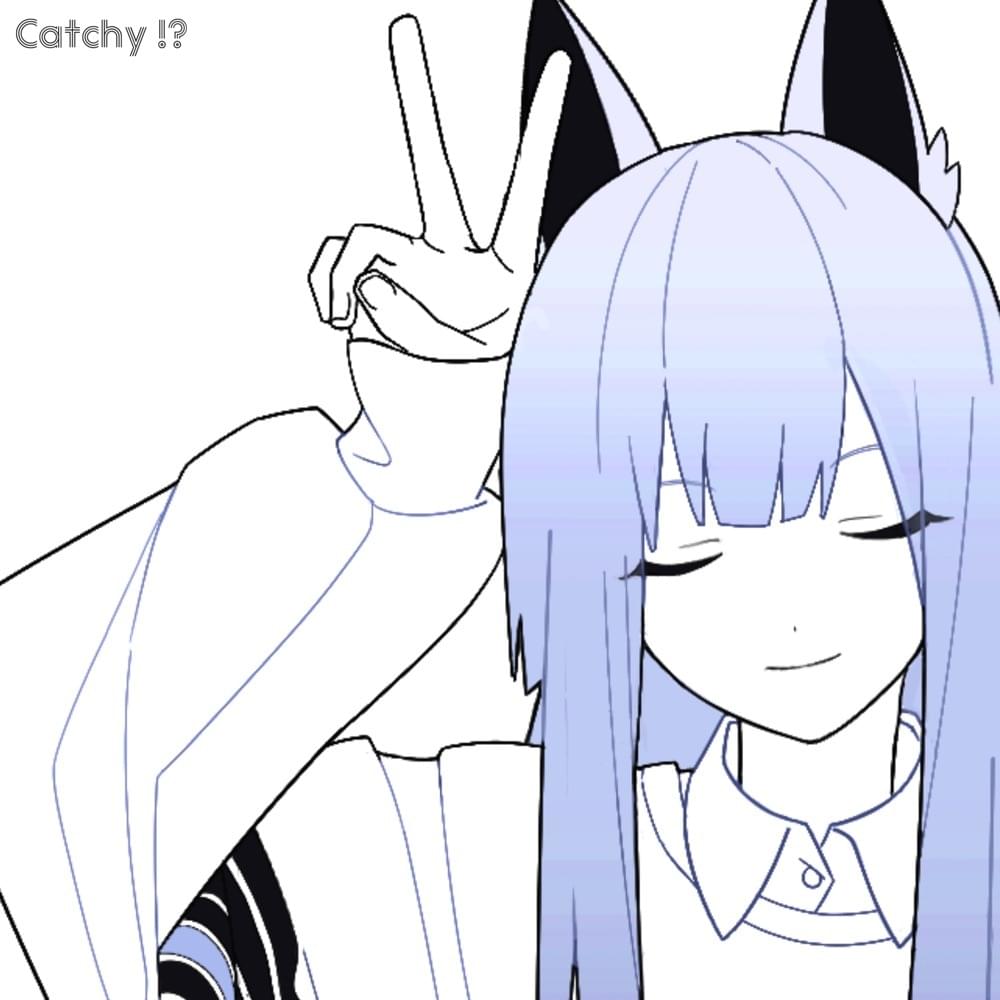
The central tension arises from the narrator's awareness of their own missteps, acknowledging 'I know it's wrong,' yet still choosing platform four. This act of defiance, coupled with spitting in the mirror, suggests a self-loathing that fuels their destructive choices. The introduction of the phrase 'So, you are catchy' and the subsequent reversal – 'the inferior pointing fingers was pointed at' – reveals a deep-seated insecurity where perceived judgment is internalized and then projected outward. This moment highlights a painful irony: the narrator, who feels inferior, is the one doing the judging, only to find themselves the target of that same judgment.
The craft here is in the subtle personification and the use of contrasting voices. The platforms themselves seem to have agency, with the 'ticket gate crying out' and the 'empty platform urging tomorrow.' The shifting pronouns – 'I,' 'she,' 'I,' 'I,' 'I' – mirror the fractured self, and the abrupt 'Bass's Slap!' cutting off the description of platform four's 'I' suggests a jarring interruption or a forced change of subject. This musical interjection breaks the internal monologue, forcing a confrontation with the uncomfortable reality of their own identity, especially when contrasted with the 'model student' they dislike, who is seemingly popular and successful.
Ultimately, these lyrics resonate because they capture the bewildering experience of feeling trapped by one's own choices and perceptions. The narrator’s inability to grasp the meaning of 'Catchy'—even as they are seemingly defined by it—and their eventual, almost unconscious transformation into 'I' on the swaying platform four, speaks to a profound sense of losing oneself. The final image of the other person waving from beyond the train doors, just as the narrator arrives, underscores a persistent feeling of being just out of reach of connection or resolution, forever observing from the wrong side of the glass.