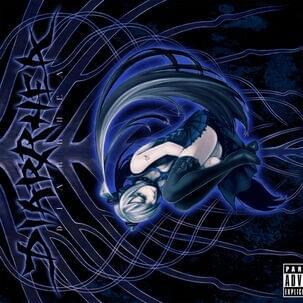
Song Meaning
The lyrics paint a stark picture of a world stuck in a monotonous, unthinking cycle. The opening lines describe an unchanging morning and the mundane movements of people, questioning their lack of dissatisfaction and inaction despite knowing what's important. This sense of passive acceptance, of being 'made vague' and left as is, sets a tone of frustrated observation.
The central tension arises from this societal inertia versus a desperate need for clarity and action. The repeated "シュプレヒコール" (shubrehi ko-ru - "shout of approval" or "cheer") being "dead" suggests a loss of genuine collective voice or purpose. This is juxtaposed with the historical military phrase "Niitakayama nobore" (Climb Mount Niitaka), hinting at a call to arms or a decisive, perhaps destructive, action.
The most striking element is the assertion that "the opposite of justice is justice." This isn't a simple moral ambiguity; it suggests a world where competing, equally valid (or invalid) claims of righteousness clash, leading to a perpetual state of conflict or paralysis. The lyrics question whether people are avoiding difficult truths, hiding behind excuses like not wanting to "cross a dangerous bridge."
Ultimately, the effectiveness lies in its raw, almost nihilistic portrayal of apathy and the desperate, primal urge to break free. The narrator seems to advocate for embracing a more aggressive, even 'beastly' state, to fight back against the 'vague' and 'unresolved' nature of existence, even if it means becoming bloodshot and wild. It’s a call to reject passive acceptance in favor of a fierce, if morally complex, engagement with reality.