Song Meaning
The lyrics paint a picture of relentless creation and a yearning for connection, starting with a cycle of building and abandoning ideas. The narrator observes something that flies, understands its mechanism, and tries to replicate it, only to get bored and start again. This repetitive process, initially driven by pure curiosity, eventually becomes tied to external validation and competition, turning creation into a series of wins and losses. The core tension emerges as the narrator questions this trajectory, realizing the initial dream was to build something that could transcend earthly limitations, not just engage in a cycle of earthly struggles.
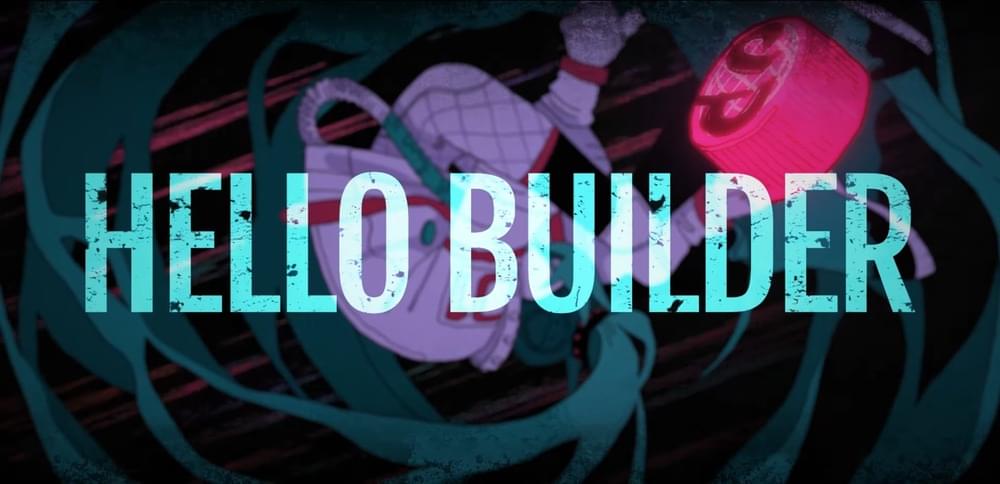
The chorus, "HELLO HELLO BUILD," acts as a mantra, a call to action that seems to push against the established rules. The repeated "ビュンビュンビュンビュン" (bunbunbunbun) and "ぎゅうぎゅうぎゅうぎゅう" (gyuugyuugyuugyuu) suggest a rapid, almost chaotic influx of inspiration and a frustration with overly rigid theories. This section feels like a desperate attempt to break free from the constraints that have bogged down the creative process, a plea to shed the "theories crammed in tight."
The most striking shift occurs with the declaration, "Let's destroy the whole planet / I'll be waiting in a different galaxy / To meet you." This radical act of destruction is framed not as nihilism, but as a necessary step to reach a specific, longed-for destination and person. The repeated command, "Fly!! UP!! UP!! UP!! UP!!" and "Break it again, build it again," underscores a philosophy of constant reinvention, where destruction is a prelude to rebirth and a means to overcome insurmountable obstacles, like gravity, in pursuit of that ultimate meeting.
Ultimately, the effectiveness of these lyrics lies in their raw depiction of creative struggle and aspirational escape. The narrator’s journey from simple observation to cosmic ambition, fueled by a desire to connect with someone, resonates through the relentless drive and the willingness to dismantle everything to achieve it. The lyrics suggest that true progress might require leaving behind the familiar, even the familiar world, to find what truly matters.