Song Meaning
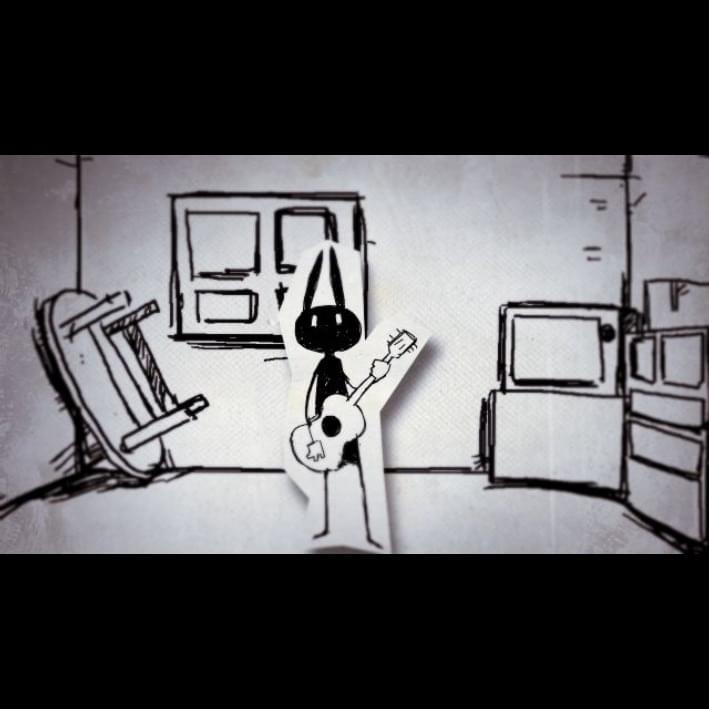
The lyrics paint a picture of quiet resignation, a life confined to a small room with a "small window," where joy has been forgotten. The narrator is accustomed to a mundane existence, walking home from a convenience store, feeling the absence of any "wind" or excitement. This stagnation is palpable, suggesting a deep-seated inertia where even the desire to move forward is dulled by routine. The initial scene is one of pervasive boredom, a state the narrator has seemingly accepted.
The central tension arises from a sudden, unexpected memory triggered by a taste – chocolate, which the narrator dislikes. This specific detail, "chocolate, I don't like it, but," points to a past encounter, a moment with "that girl" whose voice the narrator now longs to hear. The lyrics suggest a longing for connection, a desire to recapture a lost feeling or person associated with this seemingly insignificant, yet potent, memory. This past moment, perhaps a shared treat or a simple gesture, has become the focal point of the narrator's current yearning.
The most striking craft element is the recurring motif of the "small room" and the "small window," representing the narrator's limited world. However, this confinement begins to break down. The "wind" that was absent now arrives, carrying a "gentle voice" and whispering "hello." This external force, the "wind," acts as a catalyst, shaking the narrator from their stasis. The lyrics shift from passive observation to active intent: "I'll go meet you on the other side of the door," signifying a decision to step out and embrace the "lovely world."
Ultimately, the effectiveness of these lyrics lies in their subtle portrayal of a profound internal shift. The transformation from a state of "waiting" in boredom to actively seeking connection is driven by a small, sensory detail and a whispered greeting. The contrast between the initial "no wind" and the final "waiting wind" blowing "far away" encapsulates this awakening. The narrator's world, once defined by its smallness, is now being "repainted" by the possibility of encountering "someone" and embracing a "lovely world," a hopeful "hello world."