Song Meaning
The lyrics paint a picture of intense, almost desperate codependency, framed by the recurring word "hopeless." The narrator directly addresses a "little cowgirl," asserting that not only is the "farm hopeless without me," but their own state is also "hopeless" when the cowgirl is absent. This creates an immediate sense of emotional reliance, where the narrator’s sense of self and purpose is intrinsically tied to this other person's presence. The repetition of "hopeless" hammers home this feeling of being lost or incomplete without the other.
The central tension lies in the paradoxical relationship between "hopeless" and the moments when the cowgirl is present. The narrator states, "when you're coming back to me / It's not hopeless." This suggests that the cowgirl’s return temporarily alleviates the narrator’s perceived state of hopelessness, highlighting how their emotional equilibrium is entirely dependent on this dynamic. The introduction of "crazy" in the second verse further amplifies this instability, indicating a frantic need for the cowgirl that borders on obsession, intensifying the feeling that the narrator can’t function independently.
The most striking craft element is the sheer, unadorned repetition of the word "hopeless." It’s not just a descriptor; it becomes the entire emotional landscape. The lyrics also use a stark contrast: the overwhelming "hopeless" state versus the fleeting relief when the cowgirl is near. The bridge introduces a subtle shift, with the narrator questioning their own pretense: "should I still pretend that I don't even know her?" This hints at an awareness, however suppressed, of the unhealthy nature of their attachment.
Ultimately, these lyrics resonate because they capture a raw, almost primal fear of abandonment and the extreme measures the psyche takes to avoid it. The constant refrain of "hopeless" isn't just about sadness; it's about a fundamental inability to exist or function without the object of their fixation. The narrator’s plea, embedded in the repetitive structure, is a powerful expression of vulnerability and the desperate need for connection, even if that connection is the very thing that defines their perceived "hopelessness."
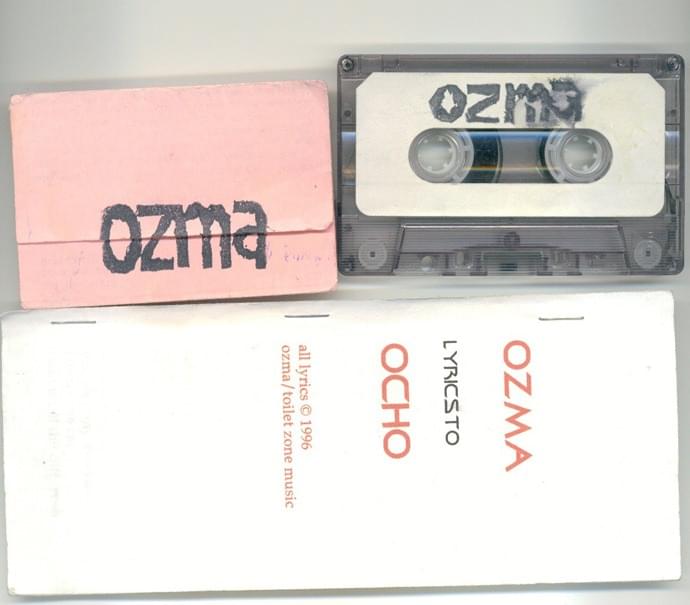
 View Artist