Song Meaning
Özlem Tekin's "Sorma" isn't just a song; it's a raw, almost desperate plea born from a cycle of self-blame and disillusionment. The opening lines, "Ah, yanıyorum, eyvah / Yine yanlış yaptım, yine aldandım" (Ah, I'm burning, alas / I made a mistake again, I was deceived again), immediately plunge us into a state of emotional turmoil. There's a sense of being repeatedly burned, not just by others, but by one's own flawed judgment. The singer feels culpable, trapped in a pattern of making the wrong choices in love or relationships.
The core of "Sorma" lies in its repetitive chorus: "Sorma, soru sorma / Biri gider, biri gelir nasıl olsa" (Don't ask, don't ask questions / Someone leaves, someone comes anyway). This isn't just fatalism; it's a defense mechanism. It suggests a deep weariness, a refusal to analyze or dissect the pain because the answers are either too obvious or too elusive. The line "Bilen çok, cevap yok nasıl olsa" (Many know, there is no answer anyway) underscores this futility. It implies that while everyone might have an opinion or explanation for the singer's struggles, none of them offer genuine solace or resolution.
Ultimately, the song's meaning circles back to a central theme of self-alienation. The line "Ah, beni sevmek günah / Bir beni bilmeyen yine ben vardım" (Ah, to love me is a sin / Again, it was me who didn't know me) reveals a profound disconnect between the singer and her own self-perception. She feels unworthy of love, perhaps even cursed, and acknowledges a fundamental lack of self-understanding. This internal conflict, combined with the repetitive and almost hypnotic quality of the chorus, creates a powerful portrait of someone caught in a loop of pain, seeking refuge in a kind of resigned silence.
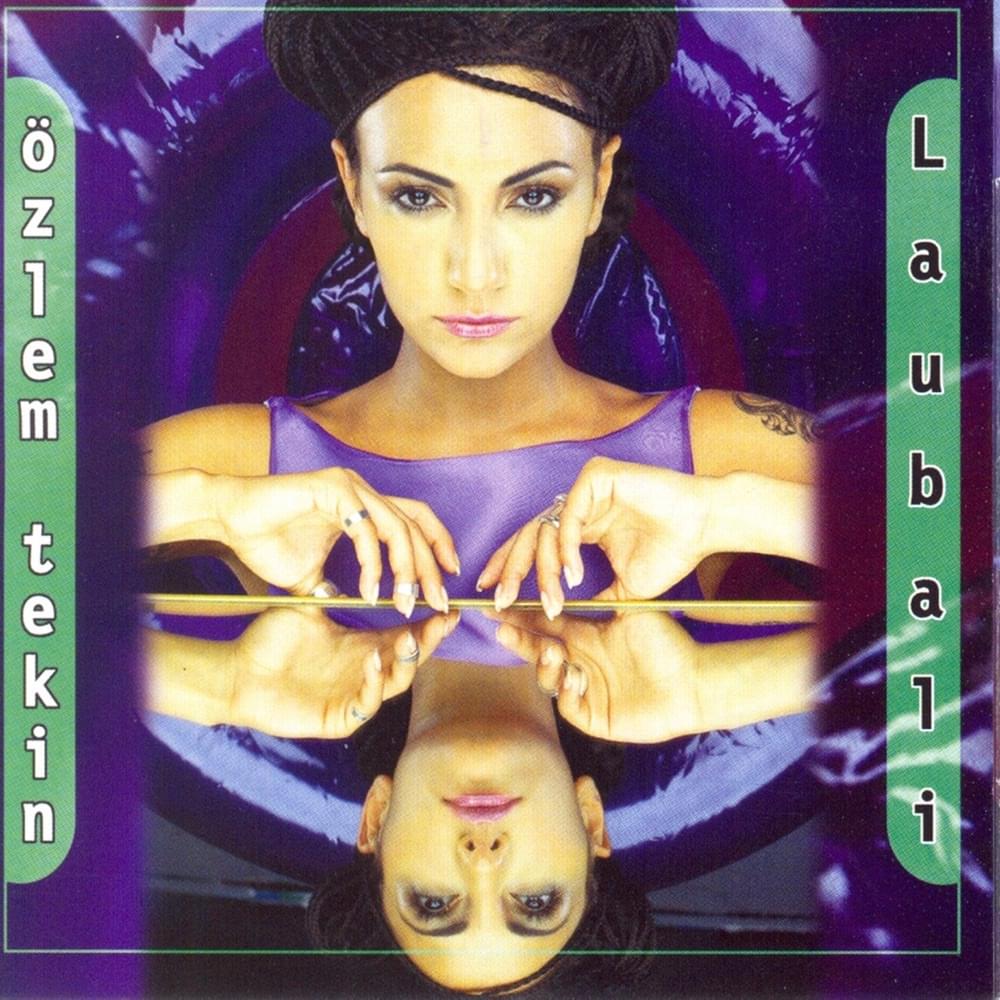
 View Artist