Song Meaning
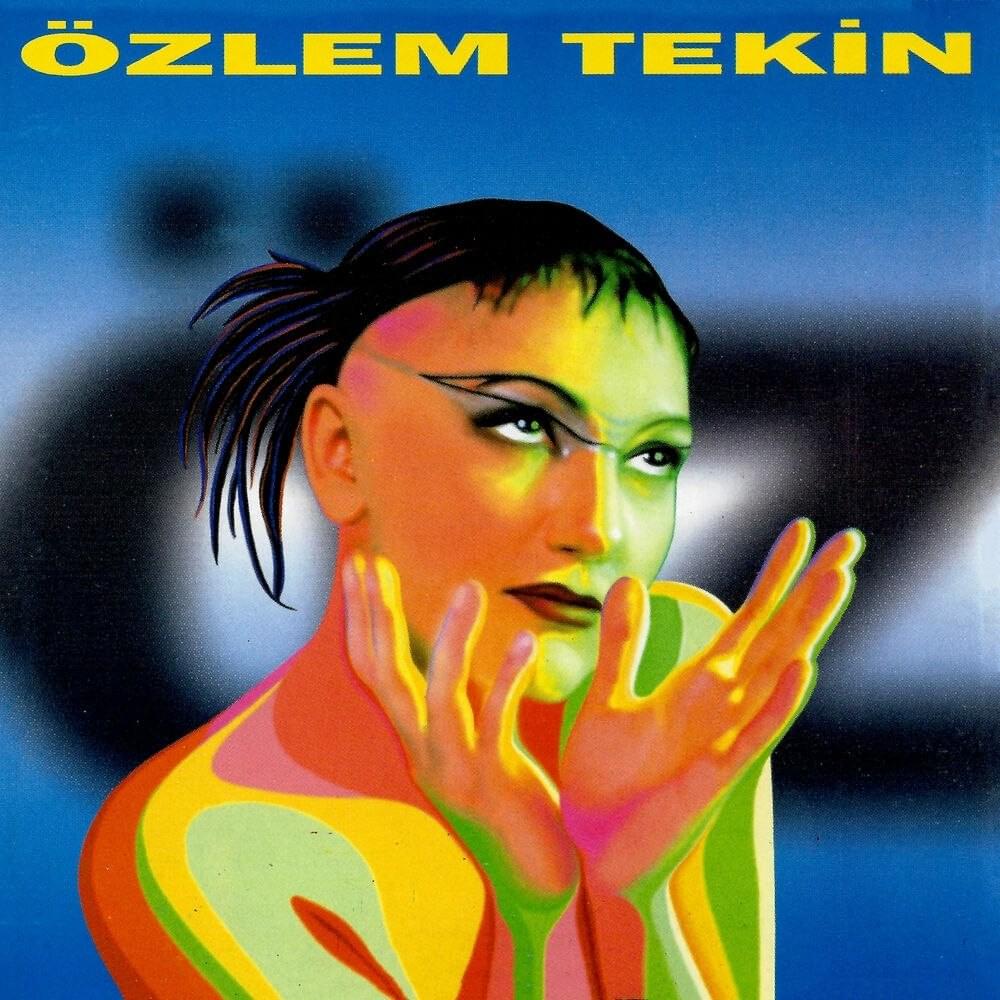
Özlem Tekin's song "Çok" (meaning "Very Much" or "A Lot" in Turkish) excavates the raw, lingering ache of regret in the aftermath of a fractured relationship. The opening lines plunge us into a moment of poignant vulnerability: the narrator, years later, mistakes a stranger in a crowd for her lost love, triggering a cascade of memories and a stark realization of how close they once were. The core of the song's meaning lies in this agonizing recognition of what was lost, amplified by the confessional admission, "Bilemedim değerini ah çok üzgünüm / Seni üzdüm, çok üzdüm" ("I didn't know your worth, oh I'm so sorry / I hurt you, I hurt you a lot"). It's a sentiment that many listeners will connect with, the universal experience of understanding the value of something only after it's gone. The repeated refrain, "Çok üzdüm, çok üzdüm (sevdim) / Çok sevdim (çok)" ("I hurt you a lot, I hurt you a lot (I loved) / I loved you a lot (a lot)"), underscores the paradoxical nature of love and pain, suggesting that the depth of her love was intertwined with the hurt she inflicted.
The lyrics explore the internal conflict between a desire for freedom and the intensity of falling in love. She sings, "Özgürlüğüme düşkün biriyken ben / Aşık oldum delice tutuldum derken" ("While I was someone devoted to my freedom / I fell in love, I became crazy when I was caught"). This verse hints at a potential explanation for the relationship's failure: a struggle to reconcile personal independence with the demands of a committed partnership. The line "Göremedim aşklardaki dostluğu neden / Nasıl oldu ayrıldık birbirimizden" ("I couldn't see the friendship in love, why / How did we separate from each other") suggests a failure to cultivate a deeper connection beyond romantic infatuation, leading to their eventual separation. The song meaning, therefore, isn't just about regret, but also about a critical self-assessment of past mistakes.
"Çok" functions as a post-mortem analysis of a relationship gone wrong, filtered through the lens of time and maturity. Tekin's lyrics don't offer excuses or justifications, but rather a stark and unflinching acknowledgment of her role in the heartbreak. The simplicity of the language, especially the repetition of "Çok üzdüm" and "Çok sevdim", amplifies the emotional impact, creating a raw and honest portrayal of remorse. The song's enduring appeal likely stems from its ability to tap into the universal human experience of regret, the painful awareness of lost opportunities, and the enduring questions that linger long after a relationship has ended.
 View Artist