Song Meaning
The lyrics paint a picture of a city steeped in repetition and a sense of aimless defiance. The opening lines, "Pose for a picture, same photograph / Sing for the record, same phonograph," immediately establish a feeling of going through the motions, a cyclical existence where nothing truly changes. Even interactions with authority, like the cops "just for a laugh," are presented as routine, a brief, almost performative resistance that ultimately leads nowhere. This sets a tone of weary resignation, a feeling of being stuck in a loop.
The core tension seems to lie in a persistent, almost passive struggle for survival or relevance, captured by the repeated refrain, "And I'm slinkin' through for hangin' on." This phrase suggests a movement that is neither forward nor backward, but a mere sideways shuffle, a desperate attempt to maintain a precarious existence. The narrator and their companions are "losers fighting backwards," a striking image that implies a futile resistance against an inevitable decline or a refusal to acknowledge defeat, even as they are mired in "city streets." The idea that "everyone's entitled" adds a layer of ironic commentary, perhaps suggesting a societal entitlement to failure or a collective delusion of importance.
One of the most compelling aspects of the writing is the juxtaposition of petty vandalism and emotional manipulation. Actions like "Broke your projector, incur expense" sit alongside the more personal and damaging act of "I kissed your sister and made her cry." This contrast highlights a broader pattern of causing disruption and pain, whether through material damage or emotional wreckage, without clear purpose or consequence. The narrator's indecision with the sister – "Should have dismissed her, could not decide" – further underscores a lack of agency, even in moments of personal interaction, contributing to the overall sense of being adrift.
Ultimately, the effectiveness of these lyrics stems from their ability to evoke a specific, melancholic atmosphere of urban ennui and existential drift. The consistent imagery of repetition, the passive struggle described in the refrain, and the casual infliction of damage create a potent portrait of individuals caught in a cycle of minor rebellions and personal failings. It’s this unflinching depiction of a life lived on the fringes, marked by a persistent, low-grade desperation, that makes the narrative resonate.
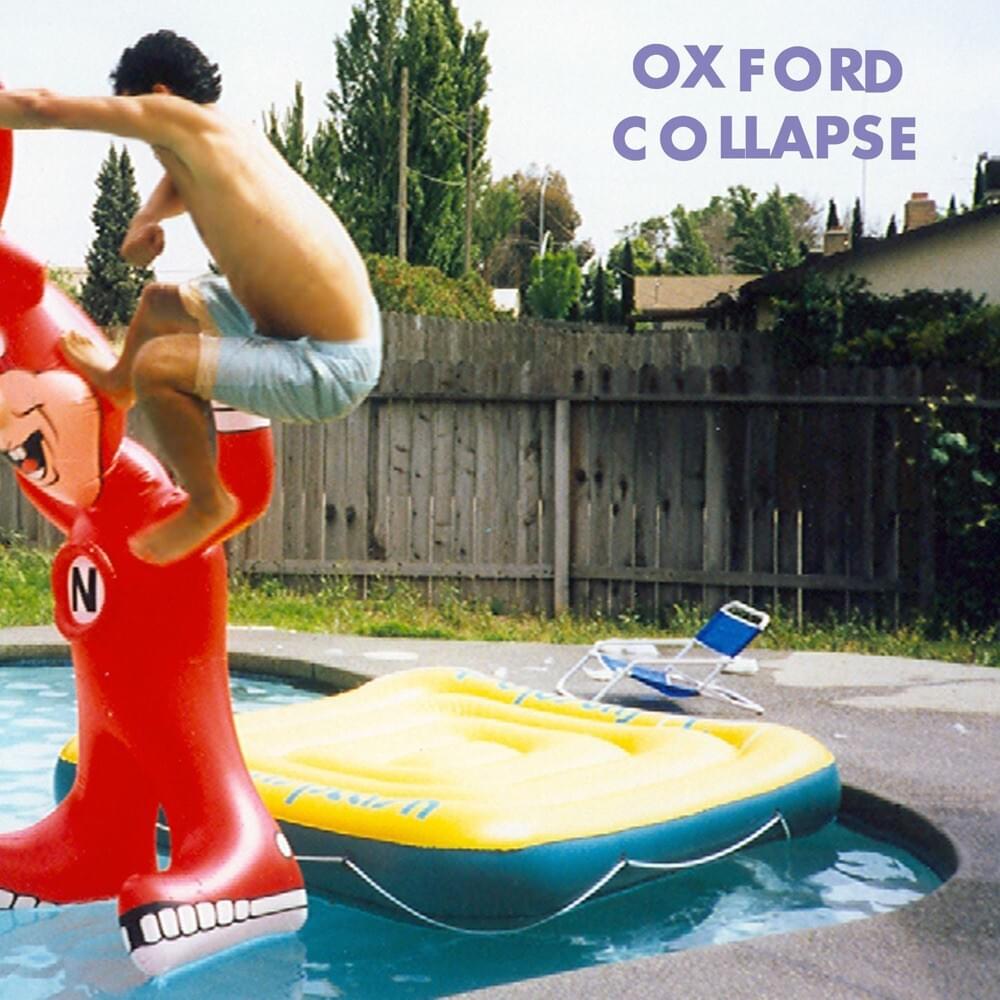
 View Artist