Song Meaning
The narrator addresses someone younger, acknowledging the sincerity of their affections but asserting a fundamental incompatibility. The lyrics suggest a protective stance, framing the younger person's intense feelings as potentially overwhelming or premature for their age. The repeated phrase "I meant what I said" underscores a firm, perhaps regretful, conviction about this distance.
Central to the song is the idea of transient relationships and the discernment of those who navigate them wisely. The narrator posits that "good ones" possess an innate understanding of when to leave, implying a self-awareness that the younger lover may lack. This creates a tension between the younger person's earnestness and the narrator's experienced, almost jaded, perspective on love.
The most striking craft element appears in the chorus's evolution. Initially, "The good ones always know they're getting home," suggesting a safe return from emotional entanglements. By the second chorus, this becomes "The good ones always know the difference / Between being casual or a casualty," introducing a starker, more dangerous dichotomy. The outro further refines this, stating "The good ones are incapable of faking it," directly confronting the younger lover's perceived inauthenticity.
This lyrical construction is effective because it grounds abstract emotional truths in concrete, albeit brief, imagery and sharp contrasts. The shift from "letters you penned" to "casualty" and "faking it" highlights the narrator's perception of a growing emotional peril for the younger person. The final line, "I know that you can't sing," serves as a cutting, dismissive remark, reinforcing the narrator's judgment of the younger lover's lack of genuine expression or skillful emotional expression.
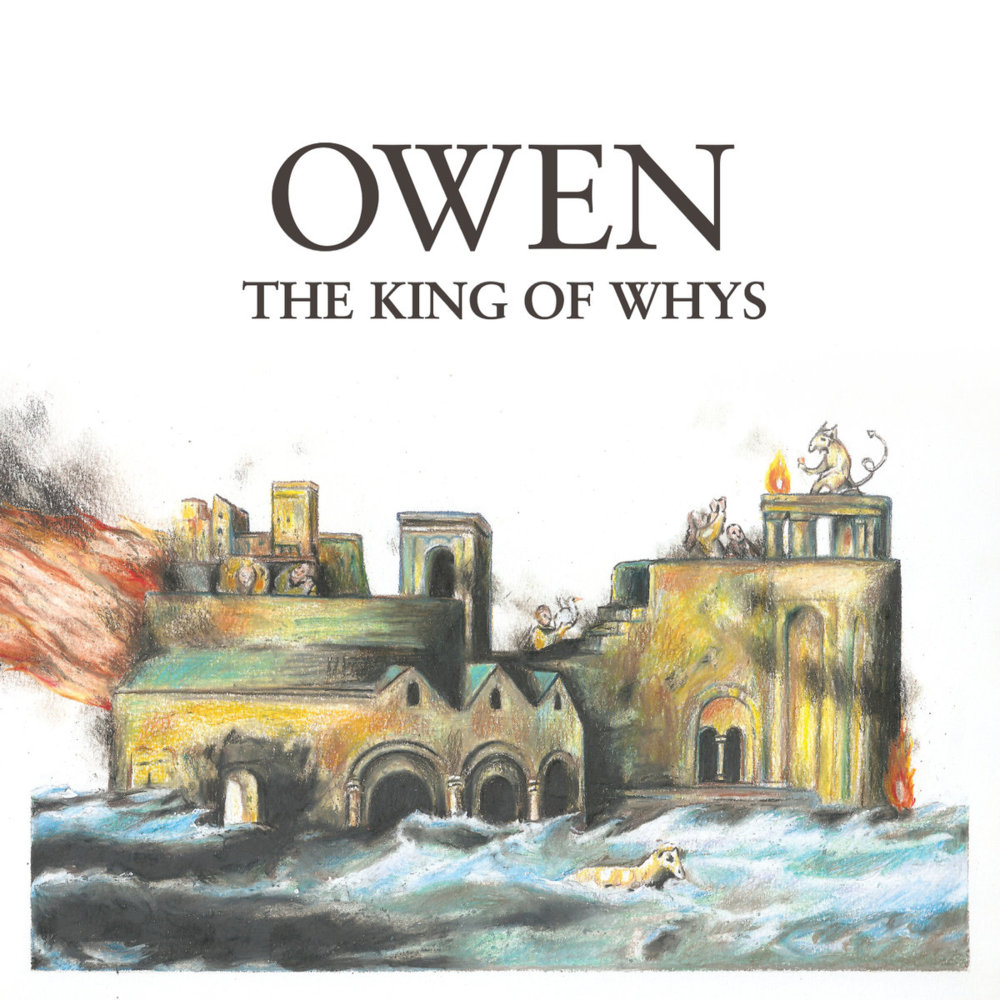
 View Artist