Song Meaning
The lyrics paint a stark picture of emotional isolation and guardedness, set against a backdrop of failed romantic pursuits. We meet two individuals, each seemingly trapped by their own internal defenses. She attends a seminar on "Modern Romance" but her thoughts are of a "longing" so private that "nobody will ever know." Her potential date ideas are jarringly aggressive, like a "shooting range," and her heart is described as one that "will never melt," suggesting a deep-seated resistance to vulnerability. He, too, experiences a similar unacknowledged "longing," attracted to superficial qualities like "shining eyes and baby fat" but failing to connect on a deeper level, his "conversation is wrong." Both are presented as fundamentally unapproachable, their desires hidden behind impenetrable exteriors.
The central tension arises from this shared, yet unexpressed, yearning for connection juxtaposed with extreme self-protection. The repeated command, "Shields up! Shields up! Bar the door, and keep your dukes up!" acts as a desperate mantra for maintaining emotional distance. This defensive posture is further reinforced by the instruction to "Tell lies, tell dirty lies," suggesting that authenticity is abandoned in favor of a fabricated self, even to the point of engaging in deceit to achieve a semblance of intimacy, "until you're lying in his bed." The repetition of "nobody nobody nobody will ever know her longing" and "nobody nobody nobody will ever know his longing" hammers home the profound sense of unfulfilled desire and the failure to communicate it.
The most striking aspect of the writing is the stark contrast between the intellectual pursuit of romance and the raw, almost primal, emotional states described. The seminar on "Modern Romance" feels like a hollow academic exercise when faced with the reality of hearts that "will never melt" and the need to "keep your dukes up." The phrase "diggory lies" and "chiggery lies" (likely archaic or invented terms for nonsensical or nonsensical lies) further emphasizes the absurdity and futility of their attempts at connection, suggesting a descent into meaningless falsehoods. The final lines, "Now you can endure the fear / Now you can endure the hell / Now you can endure the lies / Now you can endure the fear / Your rock and roll has gone away," signify a bleak resignation to this state of emotional paralysis, where even the rebellious spirit of "rock and roll" has been extinguished by the weight of their guardedness and deception.
This lyrical construction is effective because it uses sharp, almost clinical descriptions to expose deep emotional wounds. The juxtaposition of academic settings with aggressive defense mechanisms, and the stark repetition of unacknowledged longing, creates a powerful sense of pathos. The narrator doesn't explicitly state the characters' pain but rather shows it through their actions and internal states, allowing the listener to feel the chill of their isolation. The final descent into enduring "fear" and "hell" without any hope of escape, marked by the loss of "rock and roll," leaves a lingering impression of profound emotional desolation.
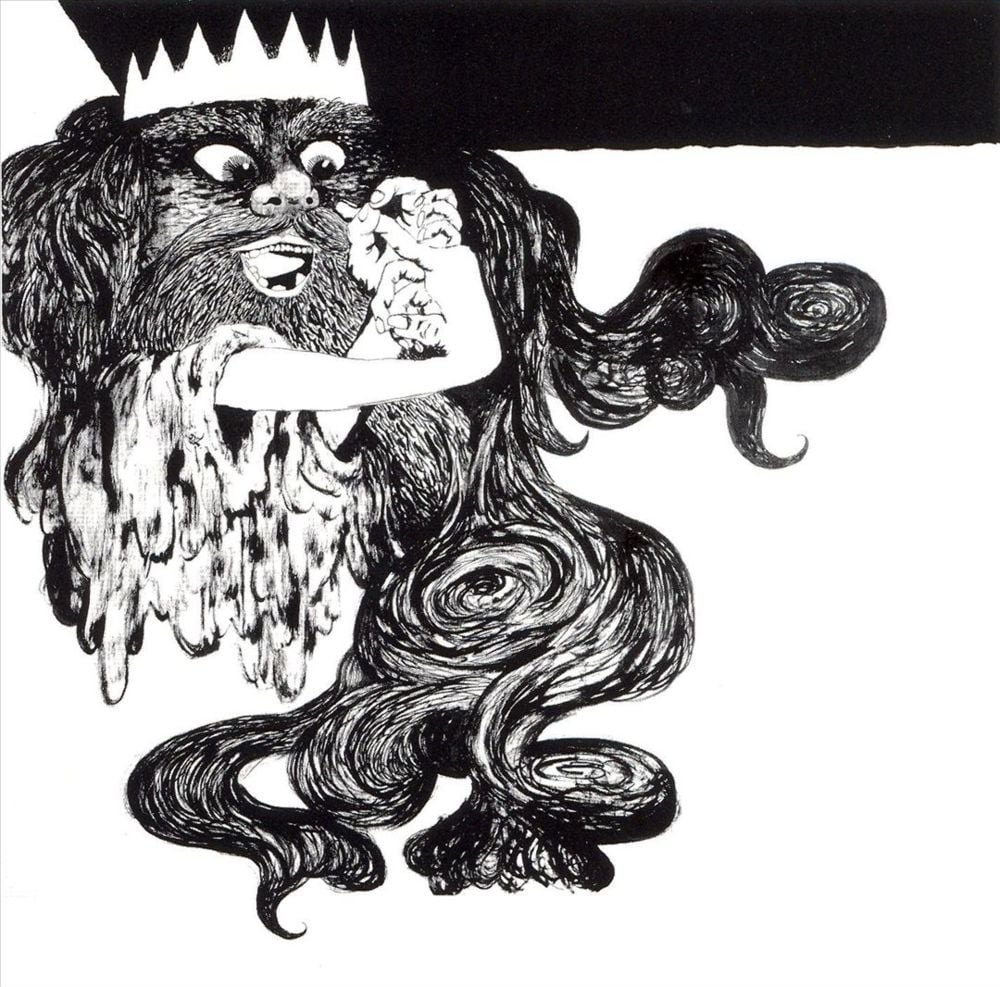
 View Artist