Song Meaning
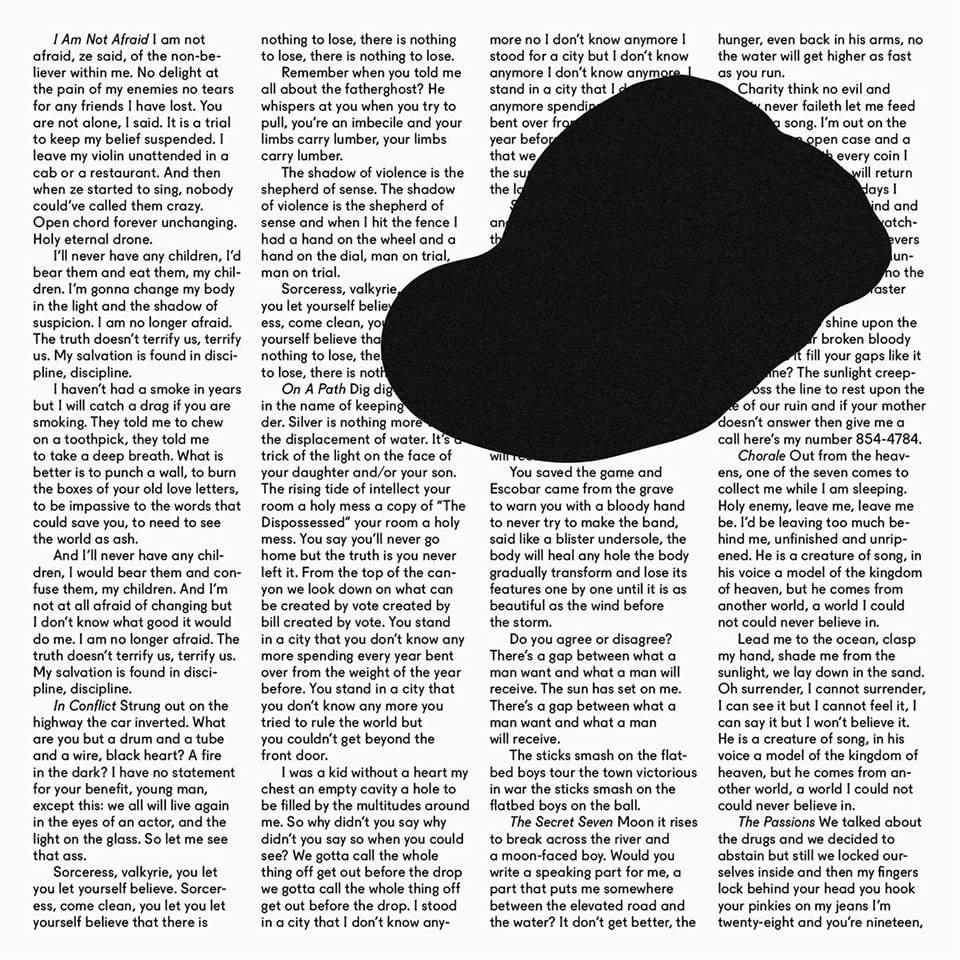
These lyrics plunge us into a dreamlike encounter where a celestial being, described as "One of the Seven," arrives to collect the sleeping narrator. This figure is a "Holy enemy"—an immediate, striking paradox that sets the tone for a profound internal conflict. The narrator's plea to be left alone stems from a deeply human fear: leaving a life "Unfinished and unripened."
The central tension here is the push and pull between an undeniable divine summons and a stubborn, earthly resistance. The celestial being is a "creature of song," holding a "model of the Kingdom of Heaven," suggesting immense beauty and promise. Yet, the narrator confesses, this is "A world I could not, could never believe in," highlighting a fundamental disconnect between what is presented as ideal and what the self can truly accept.
The craft here makes this ambivalence palpable. The oxymoron "Holy enemy" encapsulates the narrator's simultaneous awe and fear, reverence and rejection. This internal struggle culminates in the powerful declaration: "I cannot surrender / I can see it but I cannot feel it / I can say it but I won't believe it." This isn't a simple refusal; it's a nuanced inability to bridge the gap between intellectual understanding or perception and genuine emotional or spiritual conviction.
Ultimately, these lyrics resonate because they articulate a deeply human struggle: the desire for a complete, self-determined life pitted against an overwhelming, perhaps fated, call to something greater. The narrator's inability to truly *feel* or *believe* what they *see* makes their resistance not just defiant, but tragically authentic, capturing the complex interplay between the spiritual and the deeply personal.
 View Artist