Song Meaning
The lyrics paint a picture of a society that has become desensitized to deception, actively choosing ignorance over truth. The opening lines, "We'd wake the dead / With voices in our head," suggest a profound internal dissonance or a constant barrage of unsettling thoughts that are ultimately suppressed. This leads to a deliberate "ignoring the truth" and a conscious decision to "breathe and eat the lies," particularly those that foster a sense of superiority over others. The narrator seems to be observing a collective delusion, a comfortable state of denial that has become the norm.
The central tension arises from the stark contrast between outward appearances and internal realities, and the unsettling consequences of this disconnect. Phrases like "Silence is loud" and "Humility is so proud" highlight this paradox, where inaction speaks volumes and false modesty masks arrogance. This internal rot is what ultimately leads to the repeated, chilling refrain: "Nothing is innocent now." The lyrics suggest a pervasive corruption that has seeped into every aspect of life, leaving no room for genuine purity or straightforwardness.
The craft here is in the unsettling juxtaposition and the cyclical nature of the imagery. The idea of "All the king's men / Will serve scrambled eggs again" is a darkly humorous, almost absurd image of collapse, suggesting that even established powers will be reduced to mundane, broken states when their foundations crumble. This is followed by a passive, detached reaction: "We'll blink and nod / And say, How odd," which underscores the profound disconnect from reality and the loss of genuine connection, as old friends cease to understand or engage. The fear of external "acid rain" is presented as less damaging than the internal "fear we bore / Will eat us alive from within," a powerful metaphor for self-destruction born from sustained denial and moral compromise.
Ultimately, these lyrics resonate because they capture a feeling of pervasive moral decay and the quiet horror of complicity. The repeated, emphatic declaration that "Nothing is innocent now," especially in the "land of the free," serves as a stark, almost accusatory final statement. It forces the listener to confront the uncomfortable possibility that the comfortable lies we tell ourselves and others have a profound, corrosive cost, leaving behind a landscape where genuine purity is a forgotten concept.
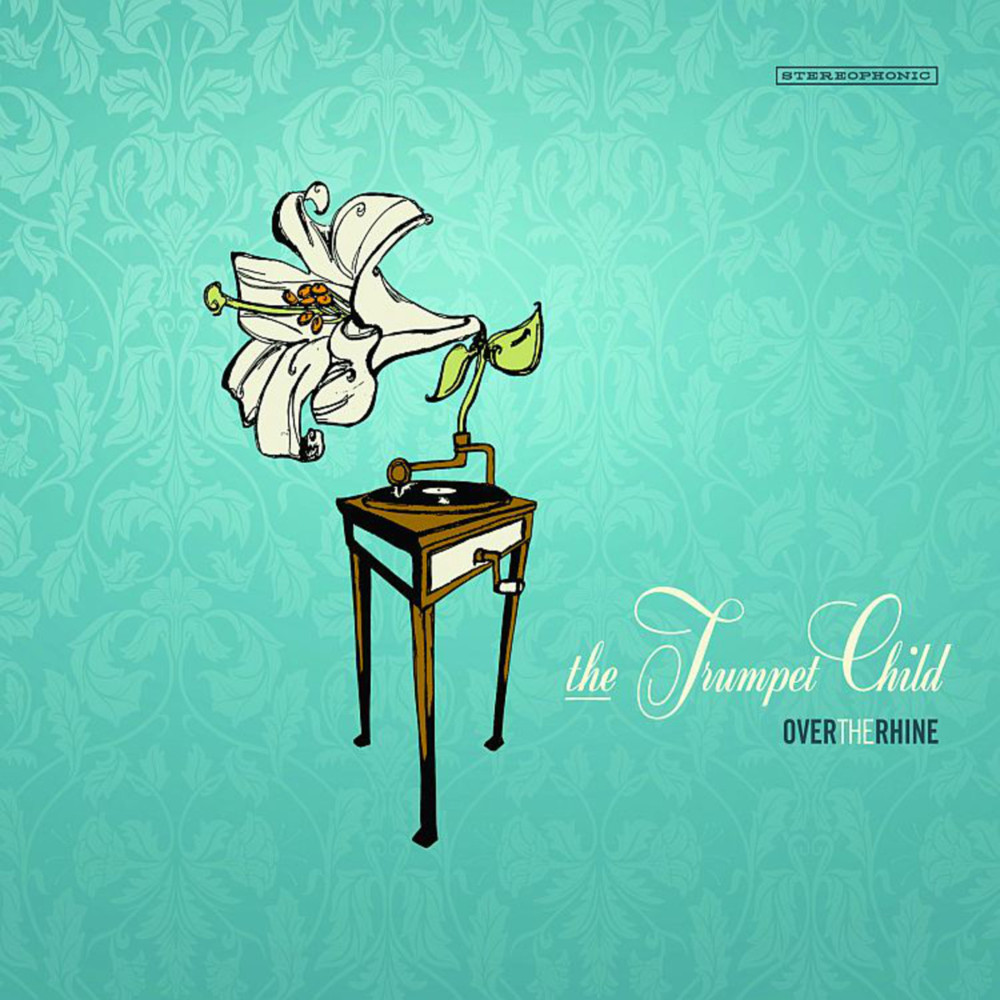
 View Artist