Song Meaning
The lyrics paint a picture of love that's seemingly ending, described as "falling like leaves to the ground." This initial image sets a tone of inevitable loss and quiet despair. The narrator anticipates a moment of waking to this realization, finding their love diminishing, while they themselves are left in a state of silent, broken supplication, "upon my knees without a sound."
However, the song pivots dramatically, suggesting a path toward reconciliation and profound peace. The narrator proposes to "fling wide the gates" and "let go the last of our hate," shifting the focus from loss to liberation. This act of releasing animosity is presented as a precursor to genuine love, a cathartic exhale "like the cool clear wind up high."
The most striking element is the juxtaposition of endings and new beginnings. The imagery of falling leaves and "temporal breath" points to mortality and the end of things, yet this is directly followed by the possibility of saying "we're in love." The act of "rest[ing] mortal eyes" and then being able to "move we can sing" suggests a transcendence beyond the physical or the finite, a state of being where love can finally flourish unburdened.
This lyrical arc is effective because it moves from a place of profound sadness and resignation to one of hopeful, almost spiritual, renewal. The craft lies in using the natural cycle of decay (falling leaves) not as a final endpoint, but as a necessary stage before a new, more liberated form of love can be declared. It’s this transformation, from surrender to soaring, that gives the lyrics their emotional weight.
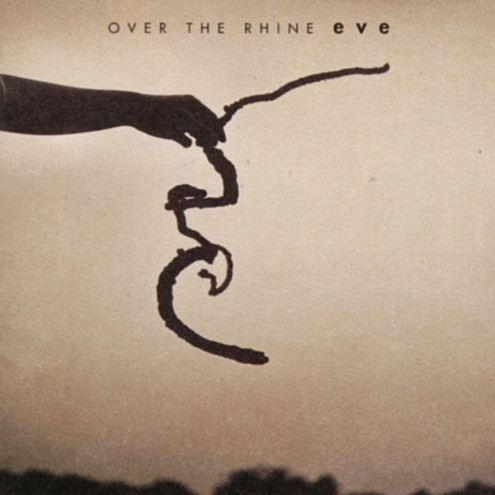
 View Artist