Song Meaning
The narrator is caught in a paralyzing internal conflict, contemplating a breakup even as they are physically close. The opening lines, "I'm thinking of someone else, I have to lose you," immediately establish a sense of impending separation and emotional detachment. This isn't a sudden decision, but a feeling that has been growing, as the narrator admits, "My feeling changed when I embraced you." There's a profound sense of self-awareness, recognizing that the very person who changed them is also the catalyst for this current emotional distance.
The core tension lies in the fear of a future built on pretense and regret. The narrator worries about "us laughing at each other" and feels "regret for every moment that will pass later." The stark realization is that they are "acting like you are my true love, and we are not meant for each other." This highlights a painful disconnect between the outward appearance of the relationship and the internal truth, creating a deep emotional chasm.
A particularly striking aspect is the narrator's self-perception and the potential consequences of ending the relationship. They feel "ashamed to appear without a heart" and are "worried that after you, I'll keep feeling guilty." This suggests a complex emotional landscape where the act of leaving might feel like a betrayal, yet staying feels like a fundamental dishonesty. The repeated refrain, "Maybe I'm hesitating, but my heart has confirmed, from you, my love, maybe I don't know how to love," encapsulates this profound uncertainty about their own capacity for love and the validity of their feelings.
This lyrical exploration is effective because it grounds abstract emotional turmoil in concrete anxieties about performance and guilt. The narrator isn't just sad; they are actively wrestling with the performance of love and the fear of future regret. The internal monologue reveals a struggle not just with the relationship itself, but with their own identity as a lover, questioning their ability to love authentically and the potential damage their actions might cause, both to themselves and to the other person.
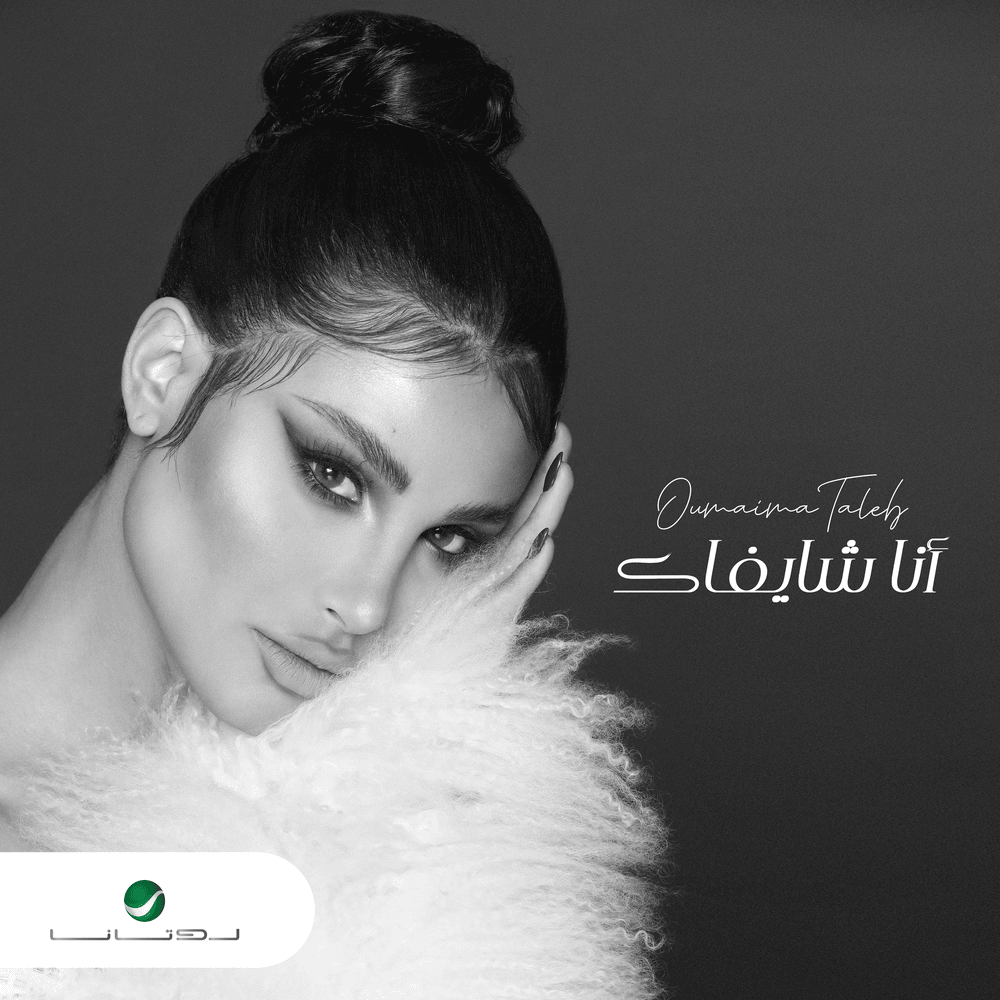
 View Artist