Song Meaning
The lyrics paint a stark, apocalyptic picture of defeat, centered around the year 1453. A "bloody sky" and a "green crescent" set a scene of dread, witnessed by "fallen tsars" in fear. The imagery of "Europe on its knees" with a "mark of defeat" branded on its forehead is powerful and visceral. This isn't just a historical event; it's presented as a profound, world-ending catastrophe.
The dominant emotional tone is one of utter despair and loss, amplified by the relentless repetition of "Europe's blood, Europe's pain, Europe's death." The "tears of tsars" underscore the high-level anguish accompanying this collapse. The phrase "Vae victis, vae victis, woe to her" (Latin for "woe to the vanquished") directly translates this sense of utter doom and irreversible consequence.
The lyrics masterfully use contrasting imagery to highlight the shift from a former world to a new, grim reality. The "beginning of the night" signifies the "end of the old world," and the "stars are going out." Europe, now praying with "eyes closed," calls out to a new God whose hands bear "no more wounds" – a chilling implication of a divine power that is indifferent or perhaps even complicit in this suffering. The "dark hand" wielding a "moonlit scimitar" against a kneeling Europe is a striking, ominous visual of impending destruction.
This lyrical construction is effective because it transforms a specific historical moment into a universal feeling of profound loss and the end of an era. The stark, almost elemental language – blood, pain, death, night, stars – creates an overwhelming sense of finality. The focus on a defeated Europe, stripped of its former glory and facing a new, unforgiving power, resonates as a powerful depiction of collapse and the dawning of a dark age.
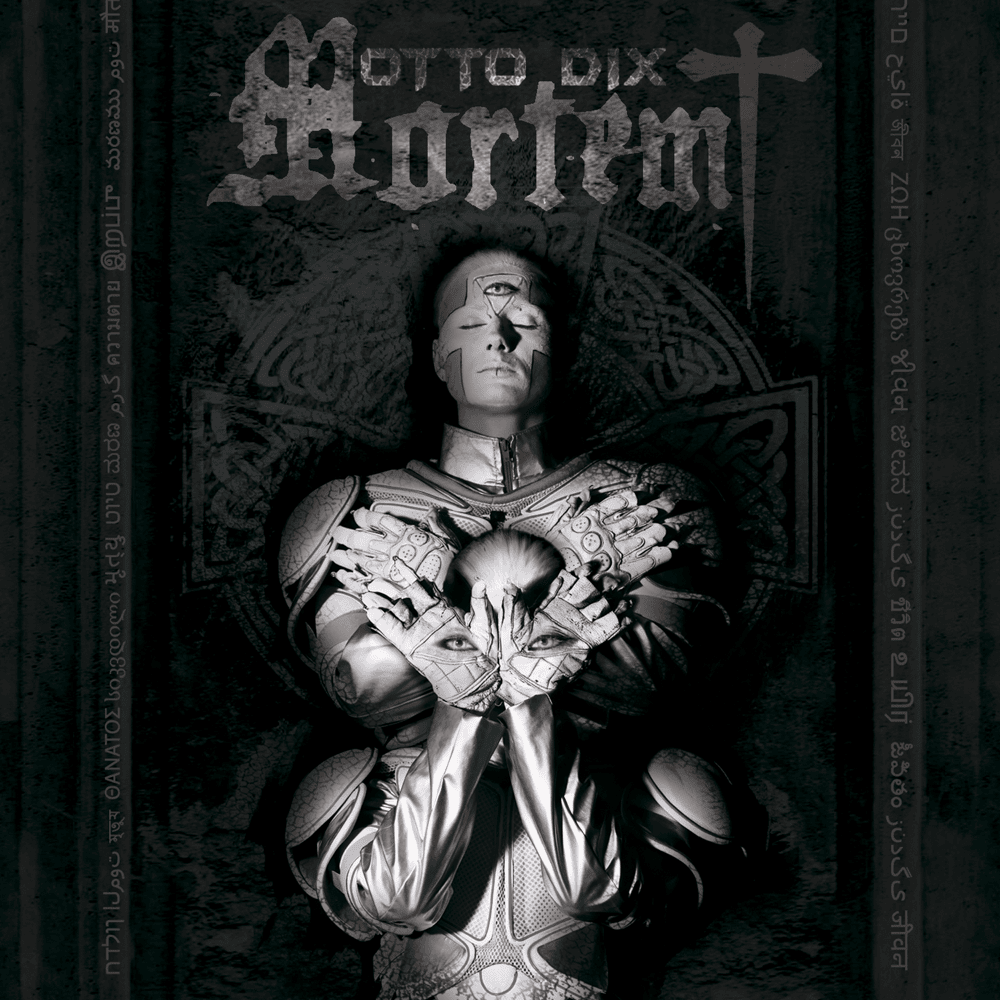
 View Artist