Song Meaning
The lyrics paint a stark, haunting picture of a man unjustly killed, his spirit tethered to Louisiana while his physical remains are in Tennessee. This immediate geographical and spiritual disconnect sets a tone of profound displacement and lingering injustice. The narrator insists on his innocence, specifically denying any involvement with a "break man" or an "engineer," suggesting a narrative of being wrongly accused and summarily executed.
The central tension arises from the violent, arbitrary nature of his death. He wasn't even afforded the ritual of hanging; instead, he was "shot me ... on the spot." This brutal efficiency underscores the dehumanization he experienced. The repetition of "my Soul's In Louisiana / But my body lies / In Tennessee" hammers home the enduring spiritual connection to one place even as his life was violently ended in another, emphasizing that his true self, his soul, remains free from the earthly injustice.
The most striking element is the accusation and the swift, extrajudicial punishment. The "White man" points the finger, and the community's response is immediate violence rather than due process. The phrase "what they always say" implies a pre-existing prejudice or a familiar pattern of scapegoating. The casual "Bam... on the spot" further emphasizes the lack of ceremony and the sheer brutality of the act, making the narrator's insistence on his soul's location a powerful act of defiance against his physical annihilation.
This lyrical construction is effective because it bypasses complex narrative for raw, emotional impact. The simple, declarative sentences and the stark contrast between soul and body create a powerful sense of enduring spirit against overwhelming, unjust force. The repetition of the core geographical statement acts like a mournful refrain, solidifying the narrator's final, unshakeable truth in the face of a violent, fabricated end.
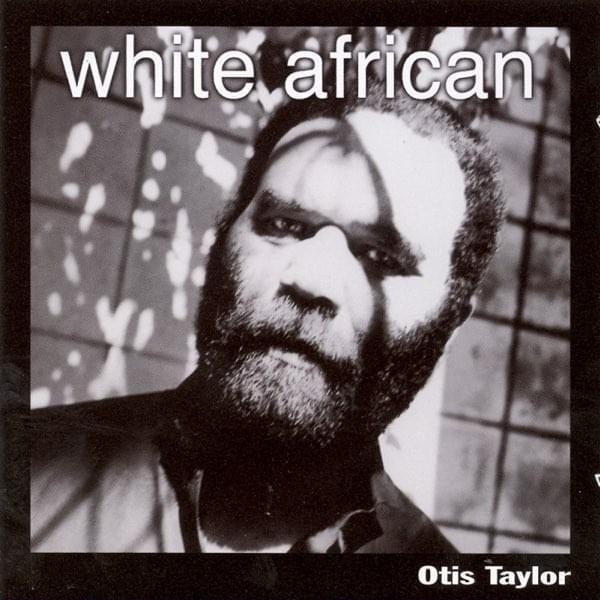
 View Artist