Song Meaning
The narrator reflects on a past love, framing it through a series of idealized, almost cliché romantic images. The opening lines establish a tone of passionate, perhaps naive, affection, comparing it to a singer's earnest performance in a "cabaré, de lua e flor." This initial comparison sets up a recurring motif of love as a performance or a well-worn romantic trope, hinting at a certain artificiality or predictability in the speaker's past emotional state. The repetition of "Eu amava" (I loved) grounds the entire reflection in a past tense, emphasizing a sense of looking back.
The lyrics then pivot to the speaker's internal experience of dreaming and loving, revealing a deep-seated yearning. The image of "a feia na vitrine" (the ugly one in the shop window) suggests a feeling of being overlooked or undesirable, contrasting with the grand romantic gestures the speaker felt. This is further amplified by the idea of a "carta que se assina em vão" (a letter signed in vain), implying a sense of futility or unacknowledged effort in their affections. The narrator seems to have loved with a profound, almost desperate sincerity, yet without a clear object or understanding, driven by a vague poetic certainty that "o dia, amanhece não" (the day doesn't dawn).
A particularly striking image is that of the fisherman who is more captivated by his net than the sea. This metaphor suggests a focus on the tools or the process of love rather than the vastness and depth of the experience itself. It implies a love that might be preoccupied with the mechanics of connection or possession, rather than the boundless nature of genuine emotional engagement. The narrator's love, described as "como jamais poderia / Se soubesse como te encontrar" (as I never could / If I knew how to find you), suggests that this past, perhaps flawed, way of loving was a precursor to finding the true object of affection, a love that was only possible in its absence or before its discovery.
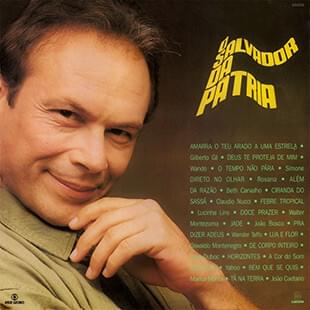
 View Artist