Song Meaning
The lyrics paint a vivid picture of a heart racing, a physical urge that overrides rational thought. This isn't just excitement; it's described as 'criminally' beating, suggesting an almost illicit or overwhelming impulse. The narrator questions if surrendering to this physical drive, this 'folia' or revelry, could actually lead to clearer thinking later on. It’s a battle between immediate sensation and future contemplation, a core tension that propels the song.
The central conflict appears to be the perceived incompatibility between the body's desires and the mind's control. The lyrics propose that this disconnect might dissolve if one fully embraces the physical experience, likening the body's potential for enlightenment to a fire that must be tended. However, there's a stark acknowledgment that a decaying body can dim one's consciousness, implying that neglecting physical needs, even for the sake of mental clarity, is a losing game. The body sheds what it doesn't need, and the narrator suggests that shedding certain pleasures might be necessary for thought, yet simultaneously advocates for dancing all night.
A fascinating craft element is the recurring motif of dancing and its relationship to mental states. Dancing all night isn't presented as mere escapism but as a potential path to clarity, a way to 'think better' the next morning. The lyrics suggest a search for 'supreme equilibrium,' where intellect can 'dance without fear.' This frames physical activity not as an enemy of the mind, but as a complementary force, a way to 'feed' and work without anxiety. The narrator’s perspective, looking at the 'tip' but not forgetting the 'middle,' suggests a holistic view that integrates immediate experience with broader understanding.
Ultimately, the effectiveness of these lyrics lies in their unconventional framing of the mind-body relationship. They challenge the notion that physical indulgence is inherently detrimental to intellectual pursuits. Instead, the narrator posits that embracing physical expression, even to an extreme like dancing until dawn, can paradoxically lead to greater mental acuity and a more balanced existence. The final lines, expressing a hope for future understanding, underscore the song's invitation to reconsider deeply ingrained assumptions about our own physicality and consciousness.
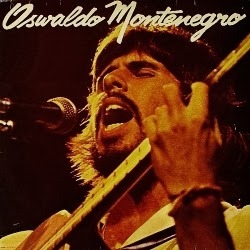
 View Artist