Song Meaning
This song paints a poignant picture of a parent grappling with their perceived failures in providing a full childhood for their son. The narrator repeatedly apologizes, not for specific transgressions, but for a general sense of lack – the absence of simple joys like fruit ('manga ou goiaba') and childhood games ('pelada'). This creates an immediate atmosphere of regret and a deep, melancholic self-reproach. The repeated plea, "me abraça meu filho," underscores a desperate need for connection and forgiveness amidst this internal turmoil.
The central tension lies in the parent's inability to shield their child from a harsh reality, a reality the child seems to accept with a weary resignation. The narrator observes the son's lack of surprise at the 'crueza' of empty lakes and streets, suggesting a loss of innocence that weighs heavily on the parent. This isn't about material deprivation alone; it's about the erosion of wonder and the presence of fear in the child's eyes, which the parent acknowledges they cannot fully understand or alleviate. The line "Não sei se eu tentei tanto quanto eu podia" reveals a profound self-doubt about their own efforts.
The most striking aspect of the lyrics is the recurring motif of the parent's inability to meet the child's gaze or fully confront the situation. Phrases like "Te olho sem jeito," "Fujo do teu olho," and the acknowledgment that the child "já não vê" (no longer sees, implying a loss of vision or perhaps hope) highlight a profound disconnect. The parent feels inadequate, unable to offer the vibrant world the child "merecia," instead leaving them in an "absurdo planeta" with diminished play and a palpable sense of 'agonia' (agony).
Ultimately, the song's power comes from its raw, unvarnished expression of parental guilt and helplessness. It’s not about grand failures, but the quiet, everyday erosions of joy and innocence that a parent feels responsible for. The repeated apologies and the desperate embrace request create a deeply emotional plea for understanding, acknowledging a gap between what was given and what the child deserved, a gap the parent cannot seem to bridge.
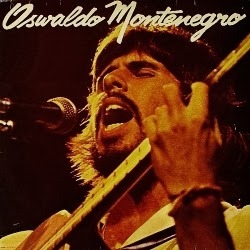
 View Artist