Song Meaning
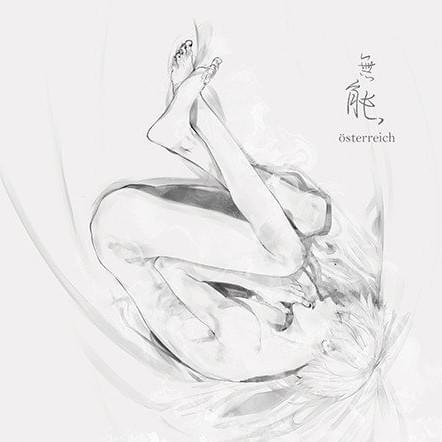
The lyrics paint a stark, almost surreal picture of a person facing an undefined consequence, stripped of everything they once held dear. The opening images of "white hair unraveling" and being "caught in a rye field" create a sense of vulnerability and exposure, a feeling of being trapped with no escape. The dominant tone is one of profound loss and a desperate, almost primal hunger, underscored by the repeated phrase "still not enough" after eating.
This sense of insatiable need clashes with the narrator's apparent state of having "nothing left to lose." The question "Who do I pray to here?" and the later "Who do we judge here?" highlight a spiritual or existential void, a lack of divine or external authority to turn to. The imagery of Asunción appearing in the distance, coupled with the act of "biting sand," suggests a yearning for salvation or a promised land that remains tantalizingly out of reach, only to be met with bitter disappointment.
The most striking craft element is the juxtaposition of seemingly mundane actions with profound despair. The image of someone "happily putting on a ring, cutting their nails" while the narrator feels they've "committed a sin" is particularly jarring. This contrast suggests a disconnect, perhaps between the narrator's internal turmoil and the external world, or between past happiness and present desolation. The repeated plea "Don't disappear, before I set it on fire" carries a desperate, destructive urgency, a final act of defiance against an unbearable emptiness.
These lyrics resonate because they capture a raw, existential ache. The writing doesn't offer easy answers but instead immerses the listener in a feeling of profound lack and a desperate, almost futile struggle against it. The fragmented imagery and the insistent, unmet hunger create a powerful sense of unease and a yearning for something, anything, to fill the void before it consumes everything.
 View Artist