Song Meaning
The lyrics paint a picture of internal conflict and a pervasive sense of anxiety. The narrator seems to be grappling with an opposing force, described as "always hoped up" and "anti-squishy," suggesting something rigid and perhaps overly optimistic or insistent. This external or internal pressure leads to a state of constant worry and overthinking, a "half-time mess up" where actions feel like "open surgery."
The core tension lies in the struggle to act versus the paralysis of worry and regret. The repeated command to "Move, move" is immediately undercut by a desperate "sorry!" This highlights a cycle of attempted progress followed by an apology, perhaps for the attempt itself or for the perceived failure. It's a frantic push-and-pull, a desire to escape a difficult situation that's constantly hampered by self-doubt and a feeling of inadequacy.
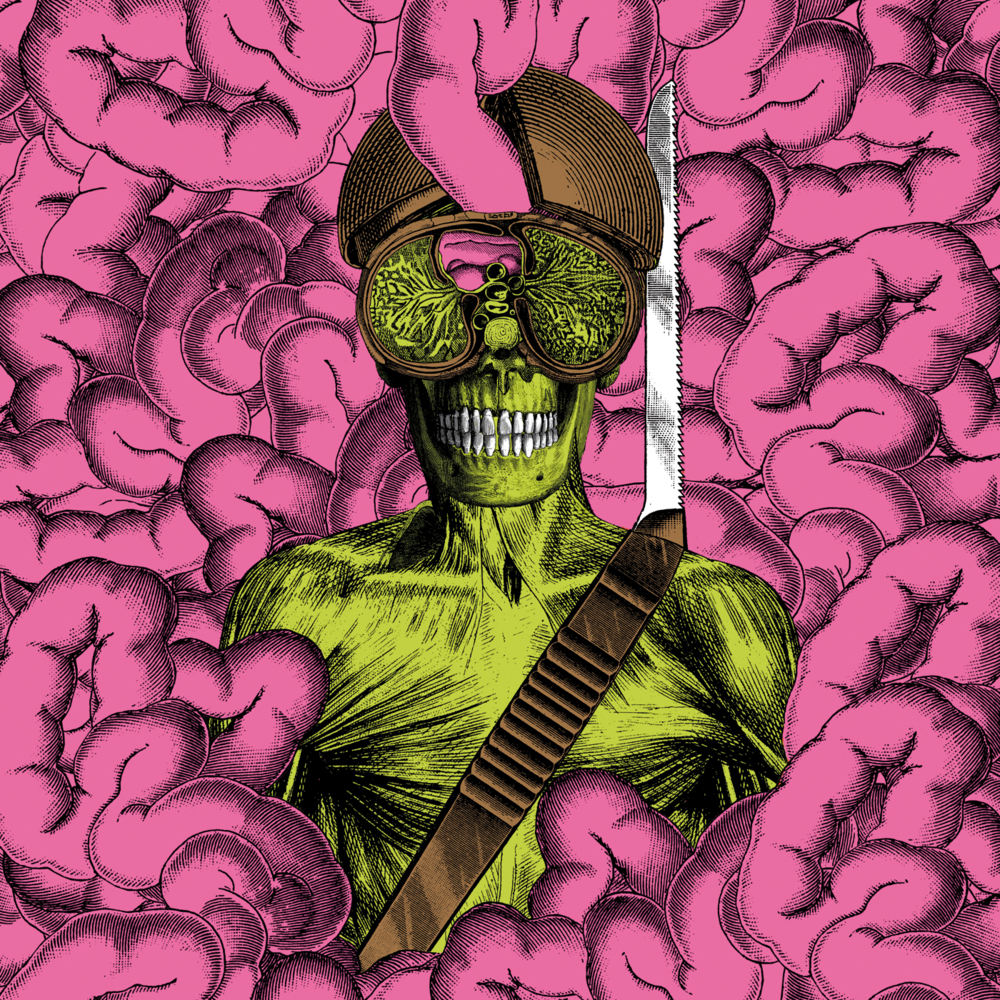
The word choice creates a disorienting, almost clinical atmosphere. Phrases like "open surgery," "hope incision," and "laceration" evoke a sense of painful, invasive procedures, suggesting that the narrator feels exposed and wounded. The repetition of "always worried" and "always sorry" reinforces this feeling of being trapped in a negative feedback loop, where every action or inaction breeds further distress. The weariness is palpable, culminating in the raw, almost guttural "always hurting."
This lyrical landscape is effective because it captures the visceral feeling of being overwhelmed. The clinical imagery, juxtaposed with the simple, desperate plea to "Move, move, sorry!," creates a powerful sense of internal chaos. The narrator's struggle isn't just described; it's felt through the sharp, almost surgical language and the cyclical, apologetic refrain, leaving the listener with a sense of their profound exhaustion.
 View Artist