Song Meaning
The lyrics paint a picture of a cyclical, almost primal, attempt at renewal. There's a sense of a fresh start being initiated by an "idle child," a figure who seems to possess a strange, perhaps unsettling, allure, described with the peculiar "Ekbom's smile." This initial image sets a tone that is both innocent and slightly off-kilter, hinting at a process that isn't entirely straightforward.
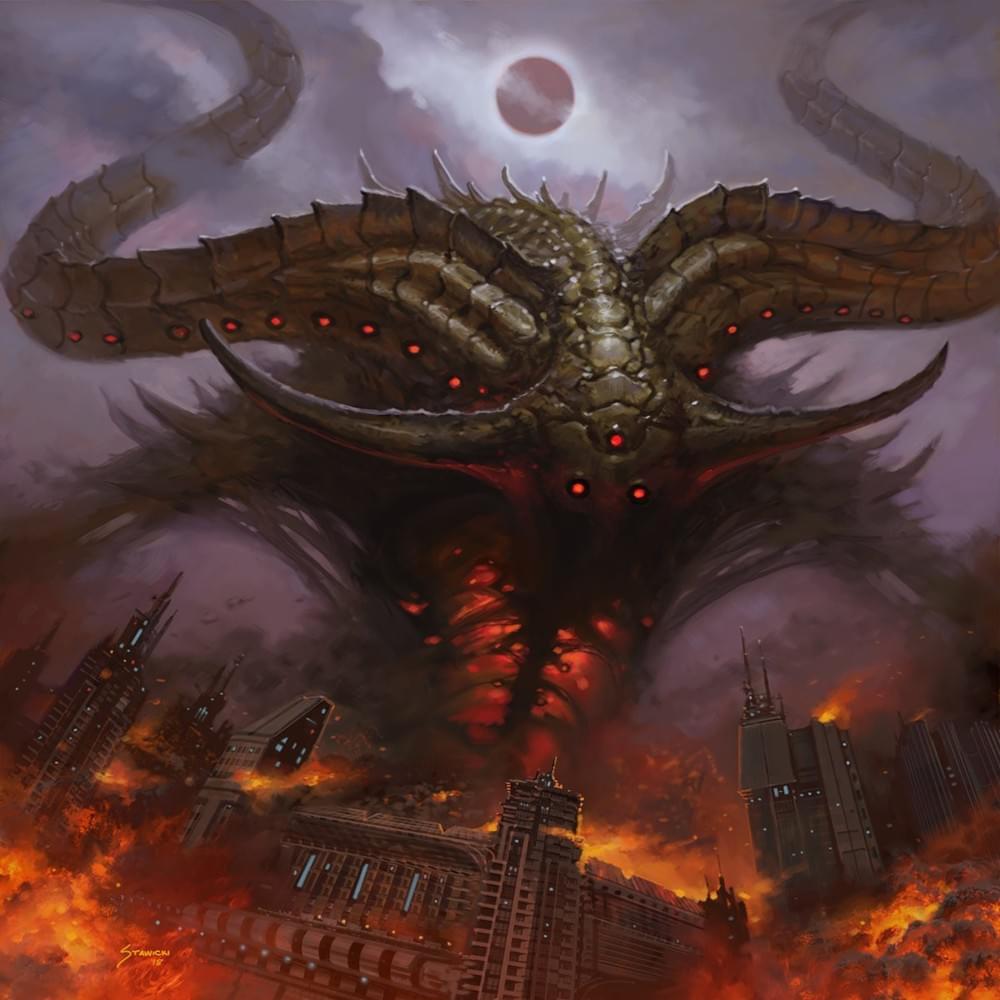
This effort toward creation is juxtaposed with images of destruction and decay. The "ringing gong" and "wild style" in the second verse could suggest a disruptive force or a chaotic energy accompanying this new beginning. The subsequent lines about the "human hand" working the land and clearing "debris of old city" directly confront the remnants of past civilizations, suggesting that any new growth must emerge from or contend with what came before.
The core of the endeavor seems to be about re-establishing something lost, as evidenced by "planting seed of long gone breed." This act is performed on "battered shore" and "forest floor," emphasizing the challenging and perhaps damaged environments where this new life is being sown. It's a deliberate act of cultivation in the face of ruin, aiming to bring back a forgotten lineage.
Ultimately, the effectiveness of these lyrics lies in their stark, almost stark, imagery and the implied narrative of rebuilding from fragments. The contrast between the "child" and the "debris," the "seed" and the "battered shore," creates a potent tension. It's a quiet, determined push against entropy, a hopeful but perhaps fragile act of bringing back the past into a broken present.
 View Artist