Song Meaning
The lyrics paint a stark picture of desperation and a grim transaction. The opening lines immediately establish a sense of confinement and urgent need for basic survival, with the narrator pleading for "air" and asking about "food." The response, "Soon, we will feed," carries a double meaning, hinting at both sustenance and a more sinister consumption. This sets a tone of unease, where relief is promised but its nature remains ambiguous.
The central tension arises from the contrast between the external world and the internal state. While the narrator gazes "out the window to the sea," a "beast" stirs beneath the surface, mirroring the growing hunger and perhaps the monstrous actions to come. The "foam was high up dancing on the breeze," a seemingly idyllic image that belies the predatory forces at play, both in the sea and within the community.
The third verse reveals the horrifying reality of the situation. The "crowd demands" the "monster" be opened, and a "hand" emerges, suggesting a sacrifice. The gratitude expressed, "We're ever so thankful that you're brave," is chillingly juxtaposed with the cold declaration, "But you'll be on our table, just the same." This highlights a brutal pragmatism where survival necessitates consuming the very thing that was meant to save them, or perhaps consuming one of their own who was offered as a sacrifice.
Ultimately, the lyrics suggest a grim cycle of consumption and sacrifice driven by extreme need. The final lines, echoing the earlier imagery of the sea and the promise to "feast," confirm that the "beast" was indeed consumed after an "attack." The narrator's initial plea for air and food has been answered, but at a profound and unsettling cost, leaving the listener to ponder the true nature of the "feast" and the beast that was drowned.
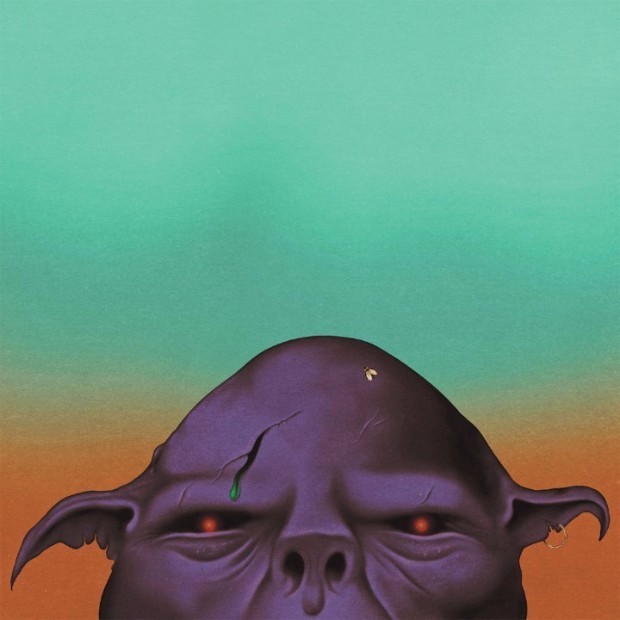
 View Artist