Song Meaning
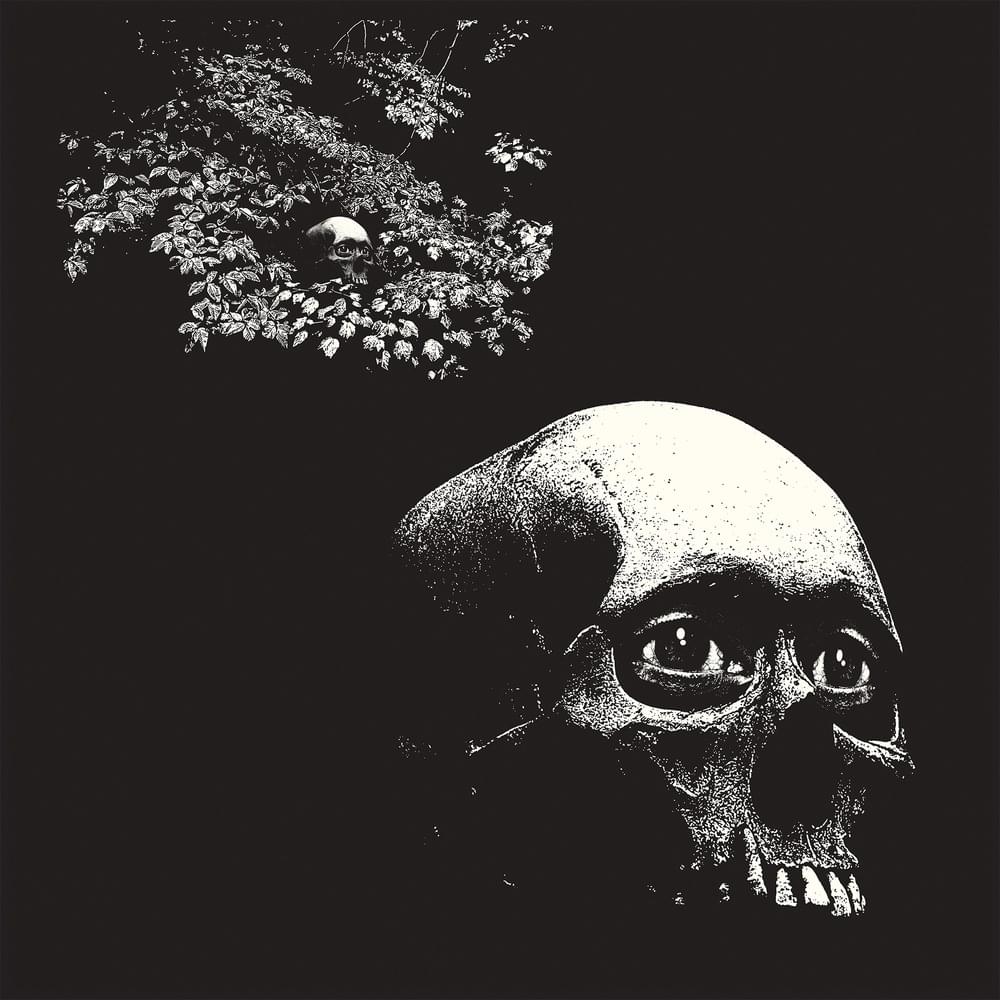
The lyrics paint a stark picture of internal struggle and external aggression, addressing a "you" trapped by their own mental "walls." There's a palpable sense of despair, with the narrator observing someone "hiding in the shadows" and wishing for a "peaceful way to die." This initial scene is heavy with a suffocating inertia, a feeling of being stuck and unable to break free from self-imposed limitations.
The central tension arises from the contrast between this passive, internal suffering and a sudden shift to violent, external action. The narrator questions why "everything terminate" and then, in the second verse, describes someone "scratching at the front door, crawling on the ground" in a "raging attack." This aggressive behavior is linked to "broken minds" and "endless hate," suggesting a destructive impulse that has seemingly consumed the individual, leaving "morality behind."
The repeated phrase "a foul form" acts as a chilling descriptor, not just of the person's actions but perhaps of the corrupted state of being they embody. The lyrics suggest this "foul form" is a manifestation of a mind that has turned inward to destructive ends, leading to an outward, "exterminate" impulse. The imagery of "fogging up the windows" and "scratching at the front door" evokes a desperate, almost monstrous attempt to break in or break out, driven by a profound internal rot.
Ultimately, these lyrics resonate because they capture a disturbing psychological landscape where inner turmoil spills out as destructive rage. The direct address and stark imagery create an unsettling intimacy, forcing the listener to confront the bleakness of a mind consumed by its own darkness. The transformation from passive despair to active aggression, encapsulated by the haunting repetition of "a foul form," leaves a lasting impression of profound alienation and self-destruction.
 View Artist