Song Meaning
The narrator opens by noting a striking resemblance to their father, not just in appearance captured by photographs, but also in inherited flaws, according to their mother. This immediate self-assessment establishes a core theme of familial inheritance, suggesting a pattern of behavior passed down through generations. The lyrics paint a picture of someone who becomes defensive quickly, their gaze becoming vacant when they are hiding something, a trait explicitly linked to being lost in their own thoughts.
The central tension arises from the narrator's internal world, described as a place where they "hide things." This internal space is characterized by a "vacant gaze" and a tendency to "braque trop vite" – to become stubborn or defensive. The plea, "N'aie pas peur de me perdre quand je suis dans ma tête," reveals a vulnerability, an awareness that their internal preoccupation can be perceived as distance or withdrawal by others, and a desire for understanding despite this tendency.
The most compelling aspect of the writing is the direct, almost confessional tone used to describe these inherited traits and internal struggles. The repetition of "Dans ma tête" emphasizes the recurring nature of this internal retreat and the difficulty of navigating it. The contrast between the external image (photos, parental observation) and the internal experience (hiding things, vacant gaze) creates a poignant portrait of self-awareness mixed with a sense of being predetermined by one's lineage.
Ultimately, these lyrics resonate because they articulate a common human experience: the feeling of being shaped by one's past and the struggle to manage an inner life that can feel isolating. The specific images of photographs and the vacant stare, coupled with the direct address to another person, ground the emotional weight in relatable, tangible details, making the narrator's internal conflict feel both personal and profoundly understood.
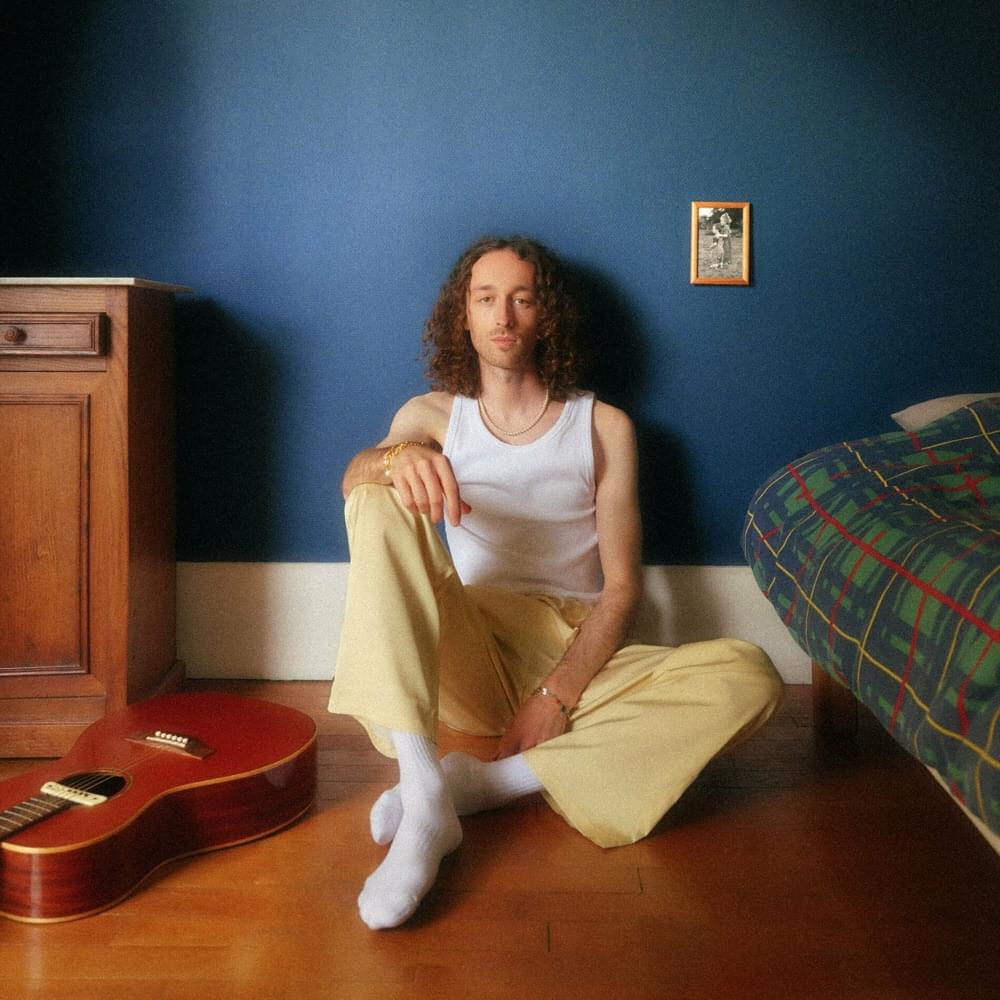
 View Artist