Song Meaning
The lyrics of "Pépé Lopi" immediately drop the listener into a scene of stark financial reality. Addressing a "kamarada Pépé Lopi," the speaker laments that the "Bêbi gosi djá sta na stopi"—the drinking has come to an abrupt halt. It's a punchy opening, setting a tone of immediate deprivation.
The central tension quickly emerges: a desire for comfort or escape clashes with an unyielding economic wall. The lines "Nen pa fiado, nen pâ kalóti" declare that credit is gone, and even shady deals are off the table. The repeated assertion that "Dja fitxado konta" (the account is closed) underscores a finality, leaving those without money with only one option: "sô resta-l raponta," to grumble or complain.
Structurally, the repetition of the second stanza acts as a somber, inescapable chorus, driving home the bleakness of the situation. This structural choice amplifies the sense of resignation, making the listener feel the weight of the repeated denial. The vivid imagery of having to "nhu txupa dropi"—suck the last drop from a glass—instead of enjoying a full drink, powerfully conveys a sense of meager, desperate existence.
These lyrics are effective because they ground a universal struggle with scarcity in specific, poignant details. The conversational address to Pépé Lopi creates an intimate, shared lament, while phrases like "Grogu sta karu djetu sta poku" (grog is expensive, money is little) directly articulate the economic squeeze. The raw honesty of a situation where even a simple comfort is out of reach makes the frustration and helplessness palpable.
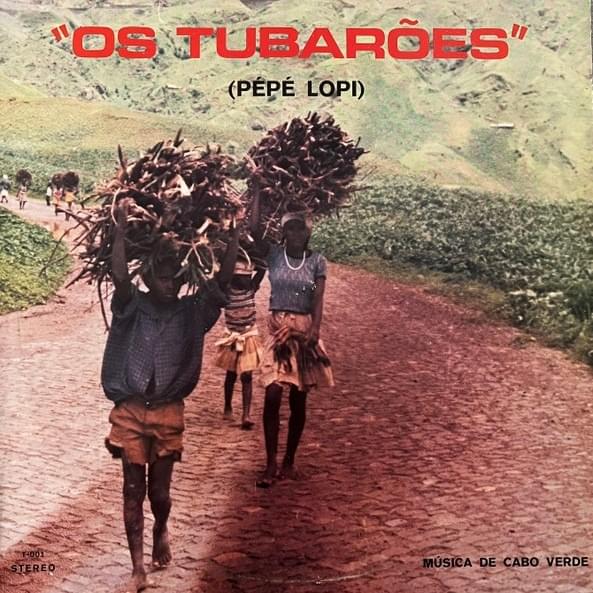
 View Artist