Song Meaning
These lyrics immediately plunge us into a scene of profound internal struggle. Someone is caught in "toda essa confusão que quebra sua cabeça," facing "tanta indecisão" about their future. It's a vivid snapshot of a mind overwhelmed, grappling with life's big questions.
The emotional core lies in the subject's extreme vulnerability. They are "andando nua pelo fio da navalha," a stark image of peril and exposure, observed by a narrator who sees them "do outro lado do espelho." This observer watches as the subject "se despe, da sua solidão," suggesting an intimate, almost voyeuristic understanding of their deepest emotional shedding.
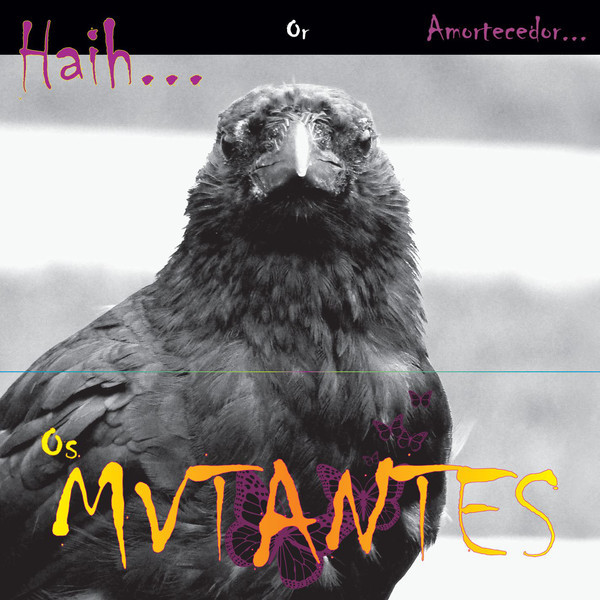
The most compelling craft element is the narrator's dual identity. They declare, "Eu sou o mensageiro, eu trago o Sol nas mãos," positioning themselves as a bringer of light and awakening, like "o vento / Que te acorda do seu sonho sem cor." Yet, this benevolent image is sharply contrasted when they later assert, "Eu sou o corvo negro, sonho o teu sonho." The crow, often associated with mystery or prophecy, introduces a darker, more complex layer, making the messenger's intentions wonderfully ambiguous.
This lyrical tension—between the promise of "arco-íris de amanhã" and the unsettling knowledge that the messenger "dos seus desejos, dos seus medos sorrio"—is what makes these lines so effective. The narrator's omniscience, knowing "seus segredos" and smiling at fears, creates a powerful, almost unnerving sense of guidance. It leaves the listener pondering whether this messenger is a benevolent guide, a trickster, or an inescapable aspect of the subject's own subconscious journey.
 View Artist