Song Meaning
The lyrics immediately paint a picture of a young man admired for his superficial traits. He's called out with a playful "He he he hey boy," praised for his "bonito" hair and a car that "até assusta," seemingly a figure of envy as he's encouraged to cruise "na rua Augusta."
Beneath these surface compliments, a subtle critique emerges. The narrator notes his "mesada" and that his "mina tá gamada," yet pointedly adds, "Mas você nunca fez na, na, na." This ambiguous phrase creates a stark contrast, hinting at a significant lack or unfulfilled experience despite all the outward signs of success and attention. It suggests a hollowness at the core of his seemingly charmed life.
The lyrics cleverly use imagery to underscore this superficiality. His car becomes "o pequeno mundo do teu carro," a confined space where "o tempo é tão pequeno," implying a limited perspective or fleeting youth. His "blusão importado" and "pinta de abonado" are listed alongside his "idéias modernas," suggesting these too are just fashionable accessories rather than deeply held convictions. The focus on "A menina e as pernas" further emphasizes a shallow engagement with the world.
The repeated refrain "Viver por viver" at the close encapsulates the central tension. It can be heard as a carefree embrace of hedonism, a simple enjoyment of the moment. However, within the context of the preceding lines – the unfulfilled "nunca fez na, na, na" and the "pequeno mundo" – it also carries a poignant undertone, suggesting a life lived without deeper purpose or genuine connection, merely existing for the sake of existing. This ambiguity makes the lyrics resonate, inviting listeners to reflect on what truly constitutes a full life.
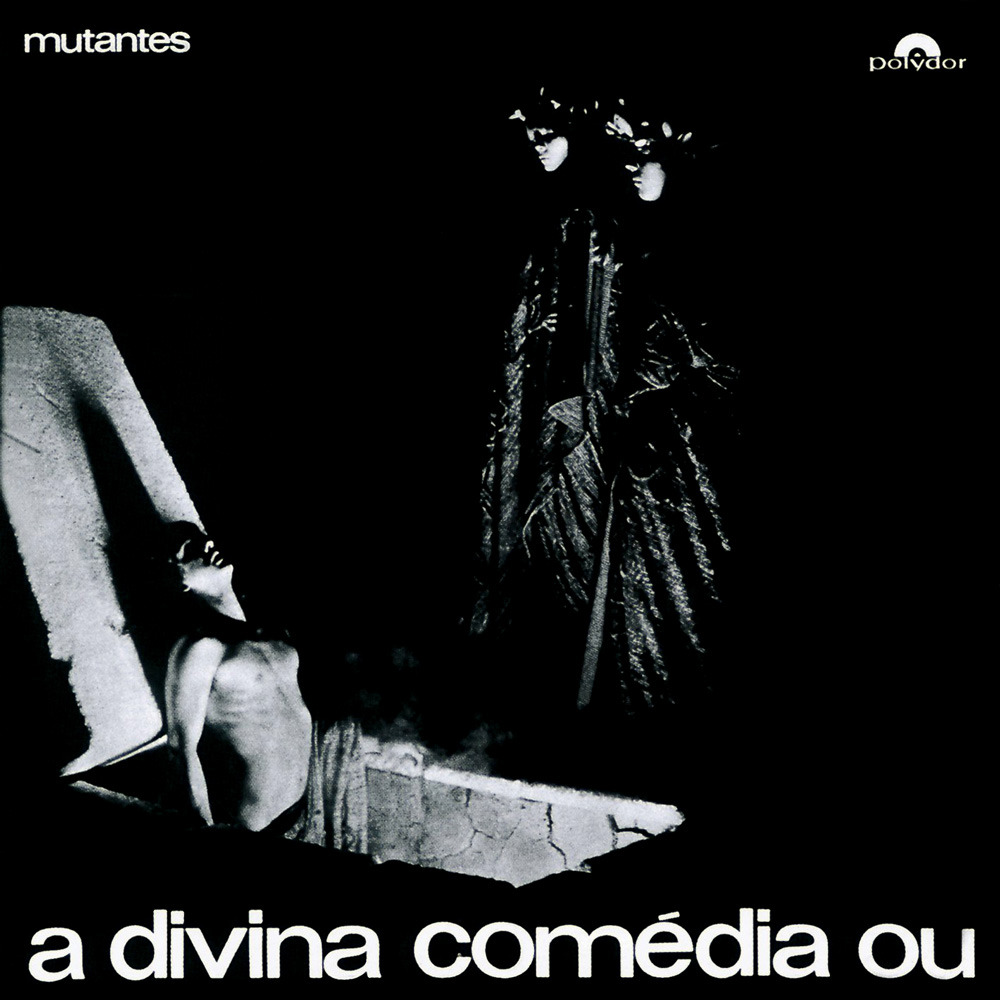
 View Artist