Song Meaning
The narrator paints a picture of someone self-assured and dismissive, someone who doesn't need anyone but perhaps a superficial connection. This initial portrait sets up a stark contrast with the narrator's own state of being. The lyrics suggest a focus on external possessions and a perceived lack of genuine companionship, highlighting a superficial pursuit of status or comfort.
The central tension emerges in the chorus, where the narrator declares, "Agora eu dirijo um carro roubado" (Now I drive a stolen car). This act, usually associated with recklessness or desperation, is immediately undercut by the question, "Mas não tem sentido, por quê?" (But it makes no sense, why?). The reason is starkly personal: "Porque você não tá do meu lado" (Because you're not by my side). The thrill or utility of the stolen car is rendered meaningless without the presence of a specific person.
The second verse introduces a yearning for an idealized savior. The narrator describes searching for someone to "pare essa chuva" (stop this rain), to alleviate sadness and pain. This figure is "muito especial" (very special), not easily found, and their arrival would be a clear sign of having "encontrou" (found) them. This reinforces the idea that the narrator's current actions, like driving the stolen car, are a hollow attempt to fill a void left by this absent, special person.
Ultimately, the effectiveness of these lyrics lies in their directness and the unexpected emotional pivot. The grand gesture of driving a stolen car, a symbol of transgression and freedom, is revealed to be a hollow pursuit. The writing grounds the narrator's actions in a profound sense of loneliness, making the material possession feel utterly insignificant compared to the emotional emptiness.
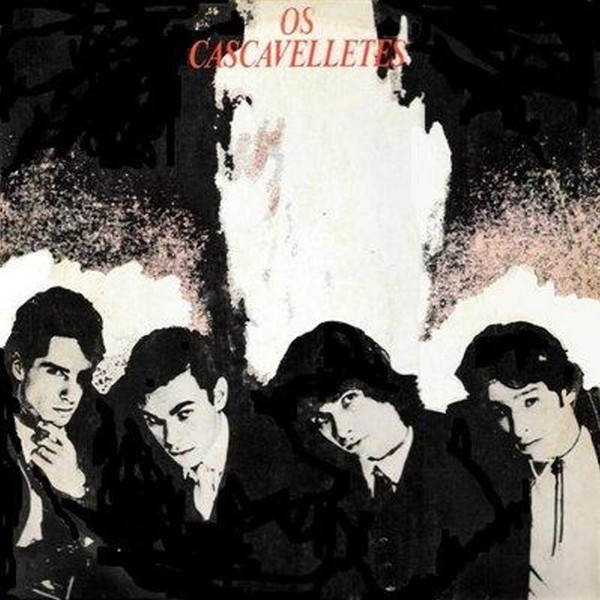
 View Artist