Song Meaning
These lyrics tell a classic tale of love lost and self-rediscovery. A vaqueiro sacrifices his entire life for a woman, only to be betrayed. But instead of wallowing, he defiantly reclaims his identity. It's a punchy narrative of heartbreak turning into a powerful comeback.
The central tension here is the stark contrast between profound personal sacrifice and bitter betrayal. The narrator states, "Eu larguei tudo por ela," even selling his horse – a deeply symbolic act for a vaqueiro – for what he calls "falso amor." This vulnerability quickly gives way to a fierce rejection of victimhood, setting up his powerful return.
The lyrics masterfully pivot from lament to defiant swagger. The line "quase fez o vaqueiro sofrer" is key, suggesting he dodged a bullet, not fully succumbing to the pain. This defiance culminates in a dismissive challenge to the "ingrata," making it clear he's not broken. The repeated declaration, "Eu voltei pra vaquejada," acts as a powerful, almost ritualistic reclaiming of his former self.
What makes these lyrics hit hard is their raw, unvarnished emotional arc. The specific details of his loss – his farm, his horse – ground the initial pain, making his subsequent defiance feel earned. The clever phrase "da boiada pra balada" encapsulates his coping mechanism, seamlessly linking his traditional world with a new, hedonistic freedom. It's a narrative that celebrates resilience, not just against heartbreak, but against the loss of one's core identity.
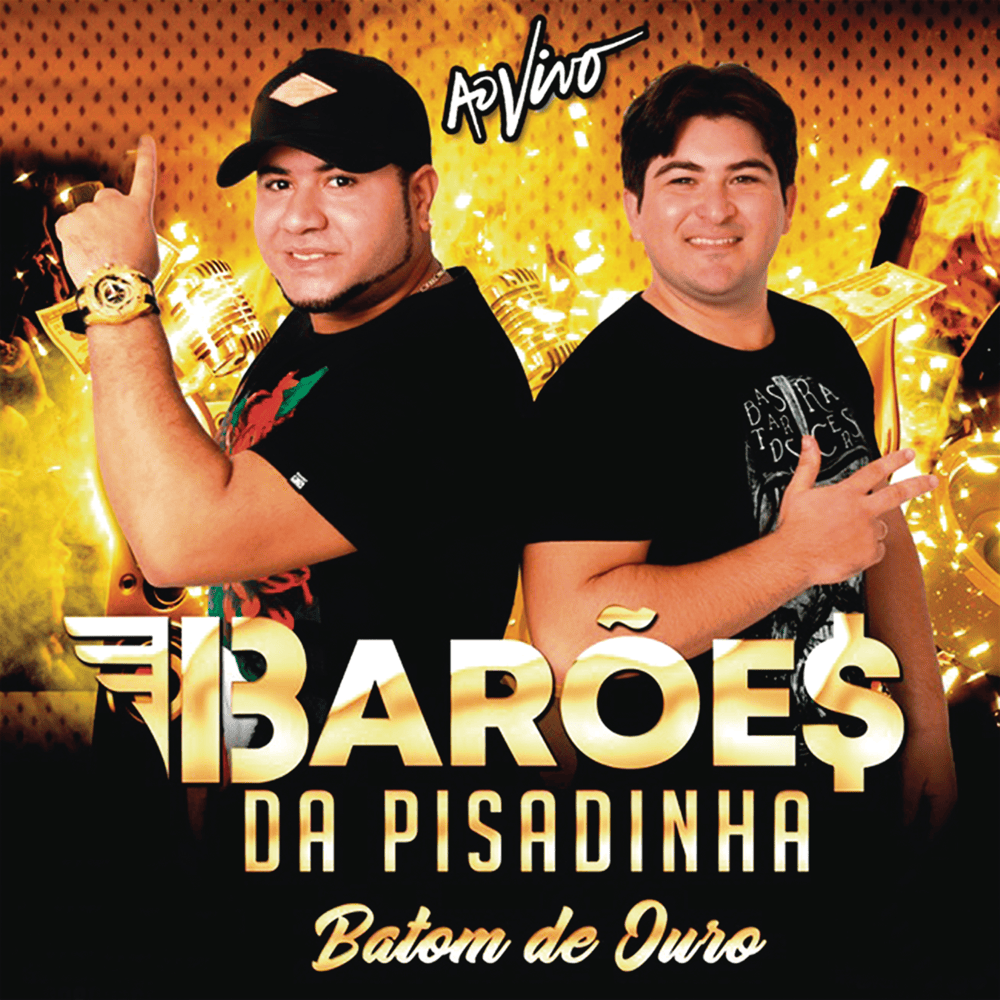
 View Artist