Song Meaning
This track paints a vivid picture of a life deeply rooted in rural traditions and simple pleasures. The narrator finds profound joy in the dust kicked up by a herd, the physical exertion of a rodeo, and the communal energy of dancing. It's a celebration of a lifestyle that's both demanding and deeply satisfying, where the sensory experiences are paramount.
The core sentiment is an unwavering contentment with this specific way of life, explicitly stated as something the narrator "won't trade for anything." This isn't a life of luxury, but one characterized by sweat, close embraces on the dance floor, and cold beer. The repeated phrase "Ô vidinha mais ou menos" (Oh, so-so little life) juxtaposed with "Essa eu não troco por nada" (This one I won't trade for anything) highlights a deliberate embrace of imperfection and a rejection of conventional markers of success.
The lyrics effectively use sensory details to build this world. The "dust in the air," the sound of a "heavy bull falling," the "sweat," and the taste of "cold beer with lipstick" all ground the listener in the physical reality of this experience. The recurring "Ei, ei, ei, ei boiada" (Hey, hey, hey, hey herd) acts as an energetic, almost primal, call to the central activity, the vaquejada, reinforcing the rhythm and excitement of the scene.
Ultimately, the power of these lyrics lies in their unpretentious declaration of happiness. It's a powerful statement that fulfillment isn't found in material wealth or societal expectations, but in the visceral, shared experiences of a chosen, albeit "so-so," life. The writing crafts an infectious enthusiasm for this specific cultural moment, making the reader feel the dust and hear the music.
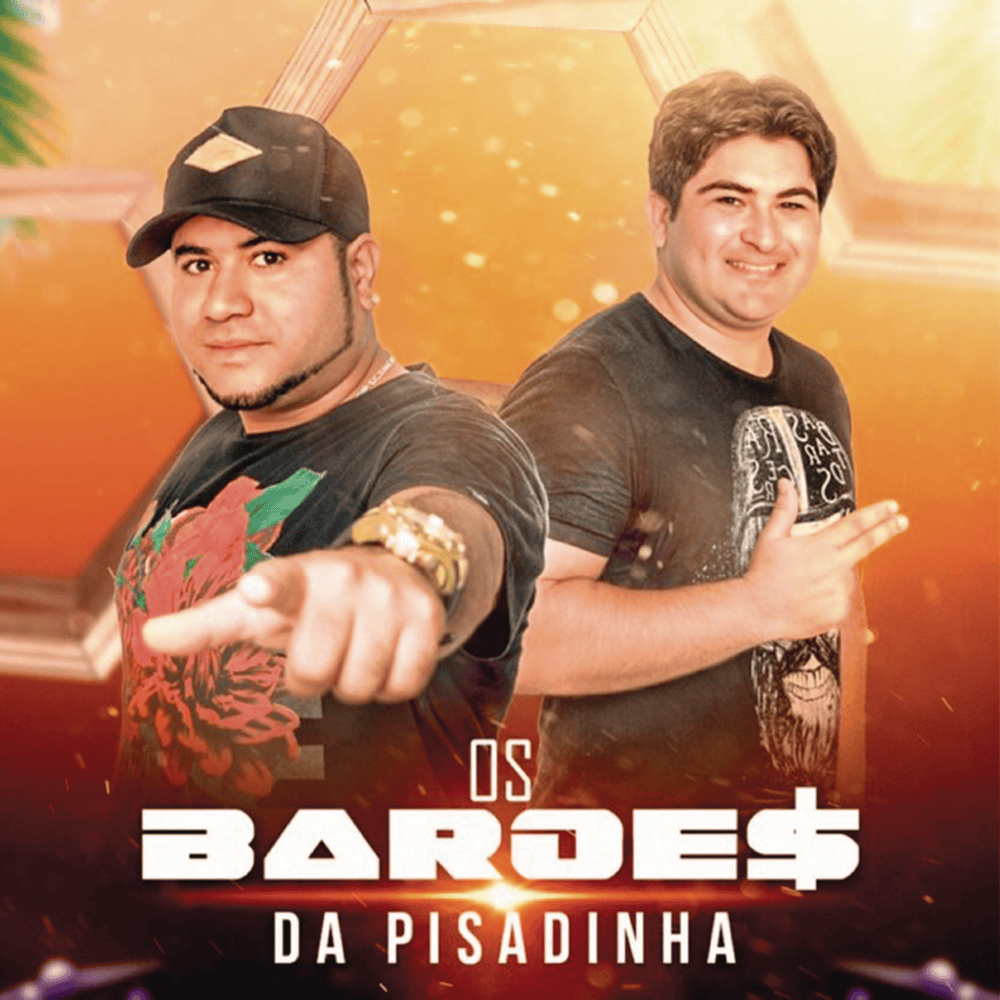
 View Artist