Song Meaning
This song paints a vivid picture of a person deeply connected to their land, where the 'king is a peon.' It establishes a powerful identity rooted in the soil, emphasizing a life of struggle, dreams, and a fierce sense of ownership over their reality. The narrator is not just *on* the land, but *of* it, declaring "I am this ground" and "I am the root of the earth."
The central tension lies in the duality of power and humility, the king and the peon. The narrator wields the lasso, branding, and marking, actions that suggest control and dominion, yet they are also the 'peon,' the laborer. This paradox creates a compelling image of someone who commands their immediate world through sheer will and connection, despite a societal structure that might imply otherwise. The lyrics suggest this is a chosen, earned sovereignty, not one granted by external decree.
The most striking craft element is the recurring self-identification as both 'rei' (king) and 'peão' (peon), specifically the 'peão laçador' (lariat peon). This isn't a contradiction but a fusion, where the act of 'lacing, wounding, marking' is the source of their perceived kingship. The imagery of 'free thoughts flying through the air' that make the narrator 'dream and feel like a god' further elevates this personal, land-based power, suggesting an internal divinity derived from their grounded existence.
Ultimately, the effectiveness comes from this grounded, almost elemental assertion of self. The lyrics don't just describe a life; they embody it, creating a potent sense of pride and self-determination. The narrator finds god-like feelings not in abstract power, but in the tangible act of living, fighting, and dreaming on their own soil, making their claim to be 'king' feel earned and deeply resonant.
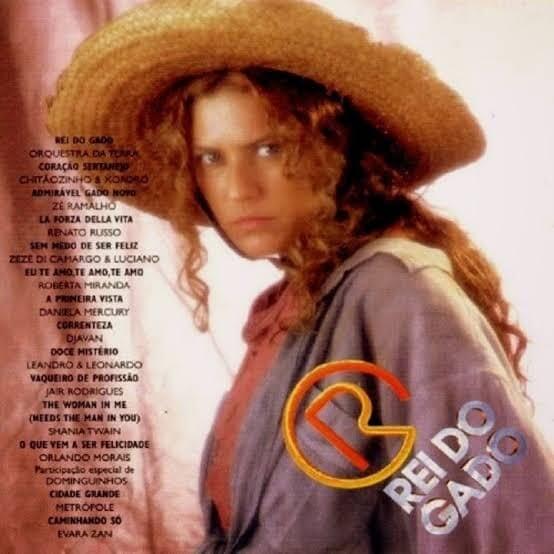
 View Artist