Song Meaning
The lyrics paint a picture of urgent escape, kicking off at midnight with the narrator leaving home and hitting the road. There's a palpable sense of shedding the past, a decision made with the mantra "Solo se vive una vez" – you only live once. The dominant tone is one of desperate, almost reckless, forward momentum, driven by a need to break free from a stifling environment.
The central tension lies between the desire for freedom and the unsettling lack of direction. The narrator is speeding "a mil por hora" (a thousand miles an hour), but "sin dirección" (without direction). This frantic pace is a direct response to feeling suffocated in their hometown, seeking the "aire de la gran ciudad" (air of the big city). Yet, the city itself seems less a destination and more a symbol of escape, with the ultimate hope being that the "carretera cruce la frontera de la libertad" (road crosses the border of freedom).
The most striking craft element is the stark contrast between the visual imagery and the emotional state. The "Nube gris, mar azul" (gray cloud, blue sea) juxtaposes a potentially beautiful natural scene with the narrator's internal turmoil. The repeated phrase "Voy a mil por hora" hammers home the intensity, while the brief, almost dismissive note left for loved ones – "Os quiero, pero no / Me busquéis, por favor" (I love you, but no / Don't look for me, please) – underscores the finality and isolation of this flight.
Ultimately, these lyrics resonate because they capture a raw, impulsive yearning for change. The writing effectively uses the act of driving as a metaphor for a desperate bid for self-determination, even if that determination leads nowhere specific. The narrator's embrace of the unknown, coupled with the clear rejection of their past, creates a powerful, albeit melancholic, portrait of someone fleeing toward an undefined future.
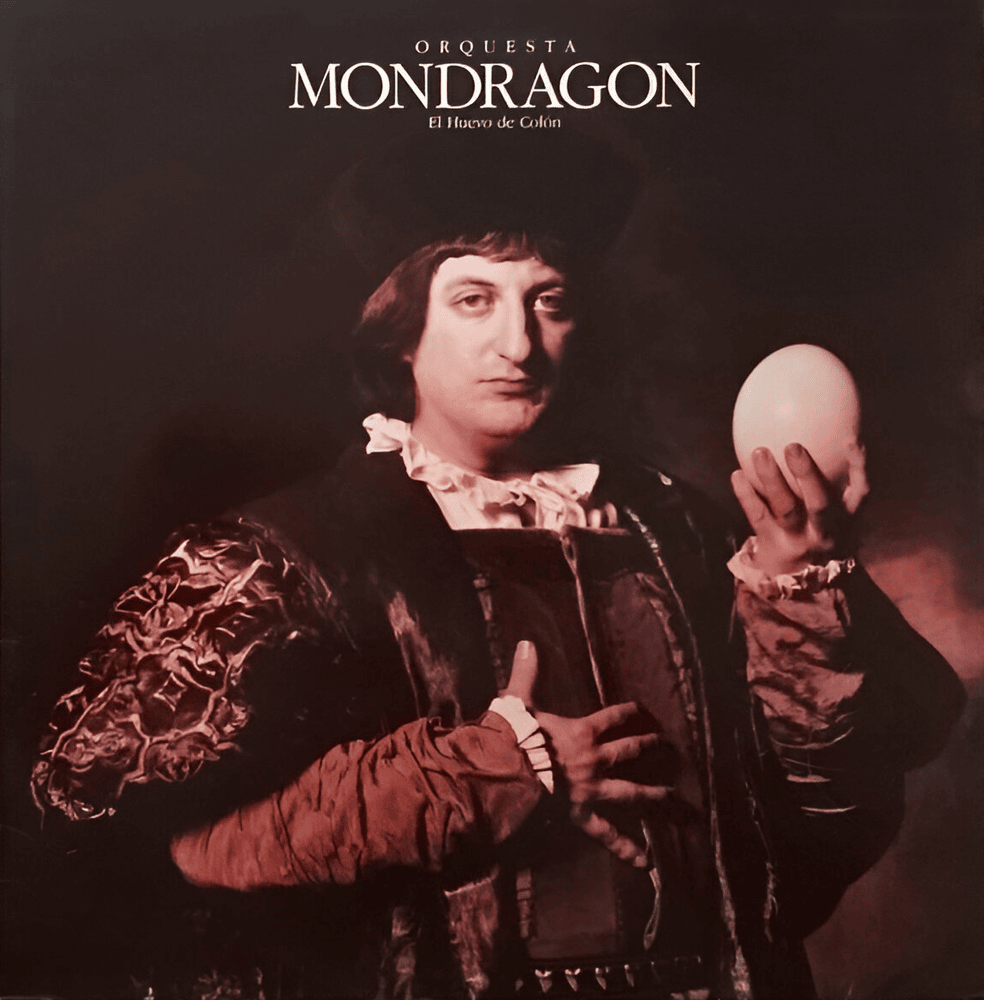
 View Artist