Song Meaning
These lyrics paint a vivid picture of an imagined future, a quiet escape from the city to a wild, solitary "no man's land." The speaker and another person anticipate feeling alone, cold, and even a little scared, yet they paradoxically declare, "Però ci piacerà" (But we'll like it). This shared "tomorrow" is a deliberate choice, a space where they can draw their own home with "finestre sempre aperte" (always open windows) and dream of journeys to the moon.
Yet, this hopeful vision is underpinned by a profound, almost desperate emotional tension. The speaker directly addresses the beloved, declaring, "io morirei se dopo questo giorno / Amore, mi dicessi: "Domani non ritorno"" (I would die if after this day / Love, you told me: "Tomorrow I won't return"). This stark confession reveals an absolute dependence, equating the beloved's presence with life itself and their absence with an unbearable end. The future, with all its imagined beauty, hinges entirely on this person's commitment.
The craft here is particularly striking in its use of metaphor, elevating the beloved beyond a mere companion. The speaker asserts, "Tu sei la strada scavata con le mani / Perché tu sei la casa che ho costruito io" (You are the road dug with hands / Because you are the house I built). These images convey immense personal investment and effort, portraying the beloved not just as a destination, but as the very foundation and arduous construction of the speaker's existence, a shelter they've painstakingly created and will "non dovrò dividere mai con nessuno" (never have to share with anyone).
The emotional impact culminates in a poignant, almost jarring shift. The initial conditional "Se ci sarà domani" (If there will be tomorrow) transforms into a direct, vulnerable identification. As the lyrics observe, "Hai chiuso gli occhi e non mi ascolti più" (You closed your eyes and don't listen to me anymore), the ultimate declaration arrives: "Se ci sarà... sei tu" (If there will be... it's you). This powerful conclusion reveals that for the speaker, "tomorrow" isn't just a day, but the very essence and presence of the beloved, making the future a fragile, deeply personal reality contingent on their connection.
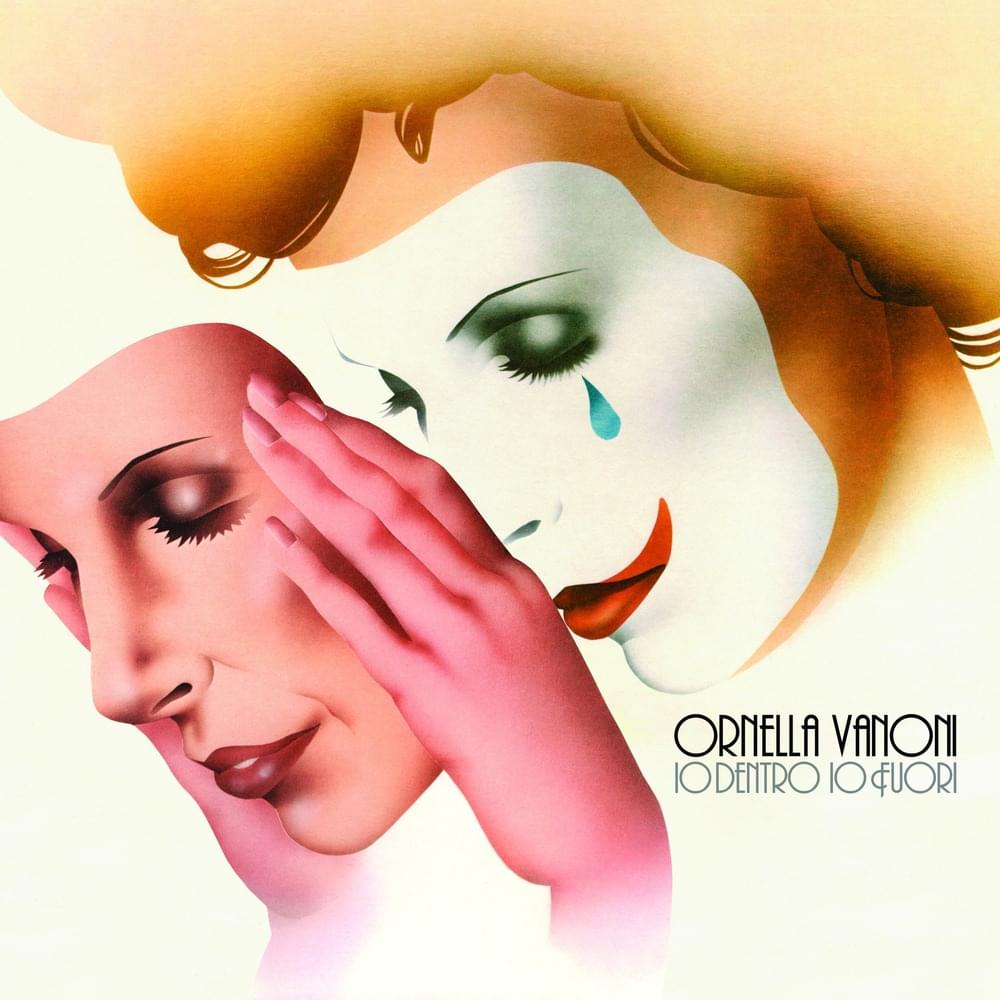
 View Artist