Song Meaning
The lyrics immediately establish a poignant contrast: the world calls it summer, but for the speaker, it's a "summer without you." This opening line sets a deeply melancholic tone, framing the season not as a time of joy, but as a stark reminder of absence. The speaker's internal world is dominated by constant remembrance.
A core tension emerges from the speaker's profound isolation amidst a seemingly normal world. While "gli altri vivono, parlano, amano" (others live, talk, love), the speaker is trapped in a cycle of grief, explicitly stating, "chi di notte piange te" (who cries for you at night). This stark division highlights how external perceptions of time and experience diverge sharply from an individual's internal reality of loss.
The lyrics masterfully employ sensory deprivation to convey emotional numbness. The line "Il profumo del mare / Non esiste, non c'è più" (The scent of the sea / Doesn't exist, isn't there anymore) is particularly striking. It's not merely that the speaker can't enjoy the sea, but that its very essence, its defining scent, has vanished. This powerful image suggests that the absence of the loved one has fundamentally altered the speaker's perception of the world, rendering even fundamental sensory experiences null.
The repetition of "E la chiamano estate / Questa estate senza te" (And they call it summer / This summer without you) and "E le chiamano notti / Queste notti senza te" (And they call them nights / These nights without you) underscores the relentless nature of this grief. It's not a fleeting sadness but a pervasive state that colors every moment, day and night. The simple, direct language, combined with the poignant question "Perché non torni qui / Vicino a me?" (Why don't you come back here / Close to me?), makes the speaker's longing feel raw and immediate, resonating with anyone who has experienced a profound, unfulfilled absence.
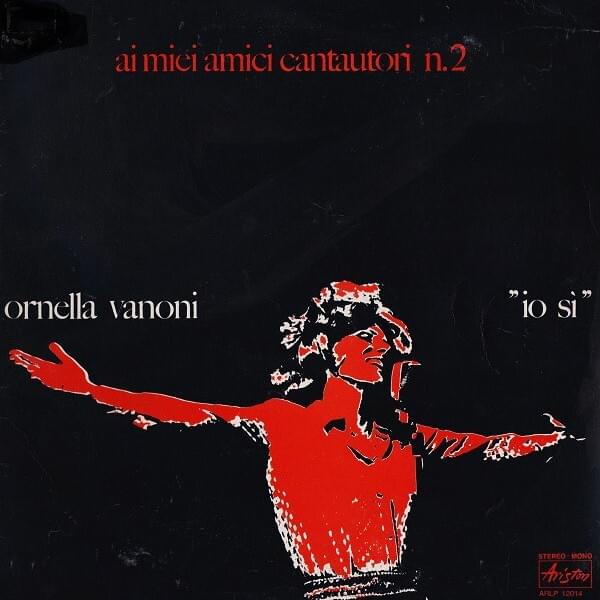
 View Artist