Song Meaning
The lyrics paint a stark picture of a weary soul, feeling like they've emerged from a battle only to find the internal conflict persists. The opening lines, "Como no fim de uma guerra / Volto a olhar para mim," immediately establish a sense of exhaustion and a recurring struggle. The narrator notes the end of another day, but the pervasive "medo não acabou" (fear hasn't ended), highlighting a deep-seated anxiety that outlasts daily routines.
The central tension lies in the narrator's desire for escape versus an internal force that resists finality. The repeated refrain, "Meu sonho é não acordar no fim / Meu sonho é não acordar" (My dream is not to wake up at the end / My dream is not to wake up), expresses a profound wish for oblivion or an end to consciousness. This yearning is juxtaposed with the persistent, almost spiritual, idea that something "há-de encarnar em mim" (will incarnate in me), suggesting an external or internal force that demands presence and continuation.
This internal conflict is further explored through contrasting ideas. The narrator feels a pull towards "bem longe daqui" (far from here), driven by a "razão" (reason) that seems to lead away from their current state. Yet, the "vento traz a desordem" (wind brings disorder), and "o tempo sopra por ti" (time blows for you), implying external forces that are both chaotic and directed, perhaps towards the narrator or someone they are connected to. The lines "Algo em mim há que eu não quero matar / Algo em mim diz que eu não posso acabar" reveal a fierce internal debate, a fight between the desire to cease existing and an instinct for self-preservation or a destiny that must be fulfilled.
The effectiveness of these lyrics stems from their raw portrayal of existential weariness and the push-and-pull of self-destruction versus an undeniable will to endure. The recurring imagery of the empty coffin ("No meu caixão não há ninguém") is a powerful, unsettling metaphor for a life lived without presence or perhaps a fear of dying alone. The ultimate plea, "Há-de encarnar em mim," becomes a complex expression of surrender, a resignation to whatever force or fate is destined to inhabit them, whether it brings peace or continued struggle.
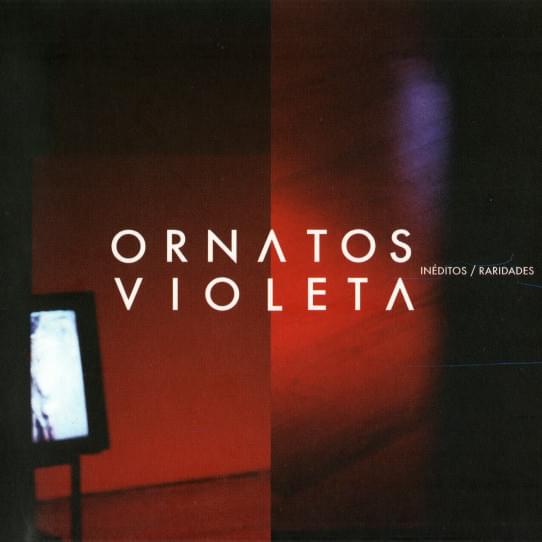
 View Artist