Song Meaning
The lyrics paint a picture of enduring love and memory in the face of absence. The opening lines establish a powerful, almost elemental force: time, like a river, moves relentlessly forward. Yet, this unstoppable flow doesn't diminish the speaker's connection to someone who is now gone. Instead, the memory of their love becomes a permanent, unshakeable presence, a treasure that time itself cannot erode. The core sentiment is that what was given, specifically the love from "yesterday," remains a tangible part of the speaker's present.
The central tension arises from the contrast between the physical departure of the loved one and the speaker's internal preservation of their bond. Life continues, described as a song that's "never still," but this ongoing existence is now intertwined with a profound sense of emptiness. The speaker acknowledges this void, yet finds solace not in tangible reminders like photographs, but in the internal resonance of the relationship. The loved one's presence is found not in external objects, but within the "melody" of the speaker's life, suggesting an internalized and spiritual continuation of their connection.
The most striking aspect of the craft is the consistent use of metaphors that emphasize permanence and continuity against the backdrop of loss. The river and the song both represent unstoppable progression, mirroring the passage of time and the continuation of life. However, within these flowing narratives, the speaker anchors the memory of the loved one. The phrase "you're here in my memory" and later "you're here in this melody" powerfully articulate how the essence of the person is not lost but transformed into an internal, enduring part of the speaker's being. This isn't about holding onto the past, but about integrating it into the present and future.
Ultimately, these lyrics resonate because they articulate a universal human experience: how profound connections can transcend physical separation. The writing avoids sentimentality by grounding the emotion in specific, relatable images and a clear emotional arc. The speaker isn't just sad; they are actively holding onto a positive legacy, finding a way to carry love forward. The hope that the other person remembers "only harmony" suggests a desire for a peaceful, positive remembrance, reinforcing the idea that the enduring impact of their relationship is one of beauty and connection, not conflict.
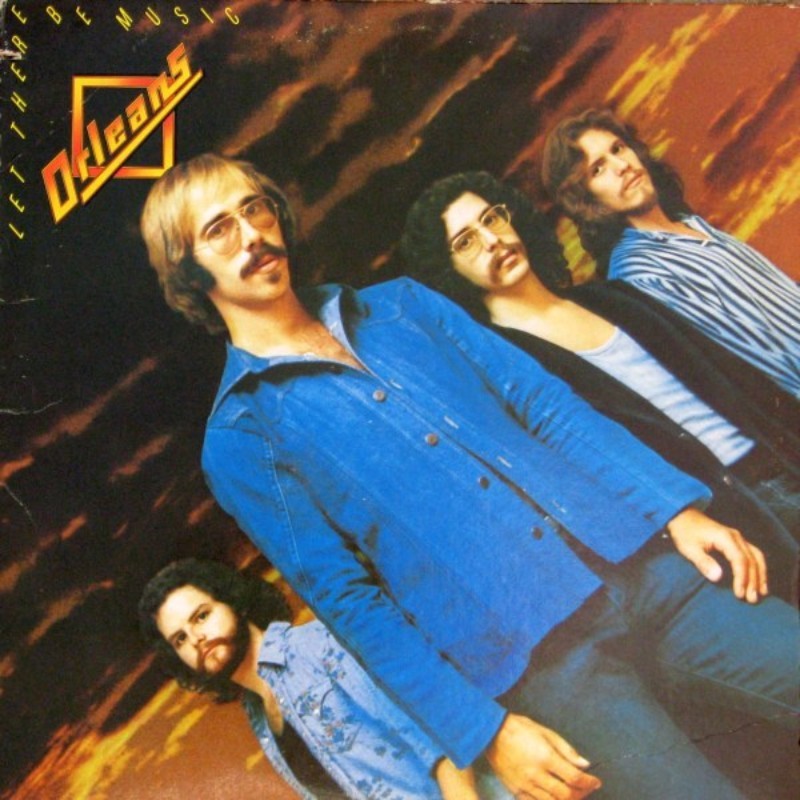
 View Artist