Song Meaning
This track opens with a fiery declaration of team loyalty, pitting the "red vulture" against the "black and white" of Flamengo, immediately grounding the narrative in the passionate, tribal world of Brazilian football. The narrator then shifts to a more introspective, almost melancholic observation about the passage of time, noting that "our time is lame." This sets up a fascinating contrast between the external, collective fervor of the game and an internal, personal sense of life's limitations.
The core tension emerges from the duality of football: it's a source of "mastery" and "rain at sunset," moments of pure, almost magical artistry, yet it also brings "the colors of the wound" that the fans inflict. The lyrics suggest that the sport, while capable of producing legends like Garrincha and Pelé who "brought football to the street," is also intertwined with societal "misery" and the "great chance" for families to escape it. This creates a complex emotional landscape where joy and pain are inextricably linked.
The writing crafts a powerful metaphor of hunger as a "very violent team" that "plays slow, consuming life," directly confronting the harsh realities that exist alongside the dream of football. The "cartolas" (executives) who "command belief" are contrasted with the "popular whipped," highlighting a systemic disconnect. The lyrics poignanty capture the collective hope that "illusion doesn't win / The true bitter anguish," a desperate plea for the dream to offer solace rather than prolong suffering.
Ultimately, the effectiveness of these lyrics lies in their unflinching portrayal of football as both a profound escape and a stark reflection of socio-economic disparity. The final lines, "The people pray, cheer and get confused / Silly smile in this dog world / But the cachaça promotes the revelry / The ball goes in and the food doesn't," deliver a devastating punch. They encapsulate the bittersweet reality where the fleeting triumph of a goal offers a temporary distraction from persistent hunger, a powerful commentary on hope and disillusionment.
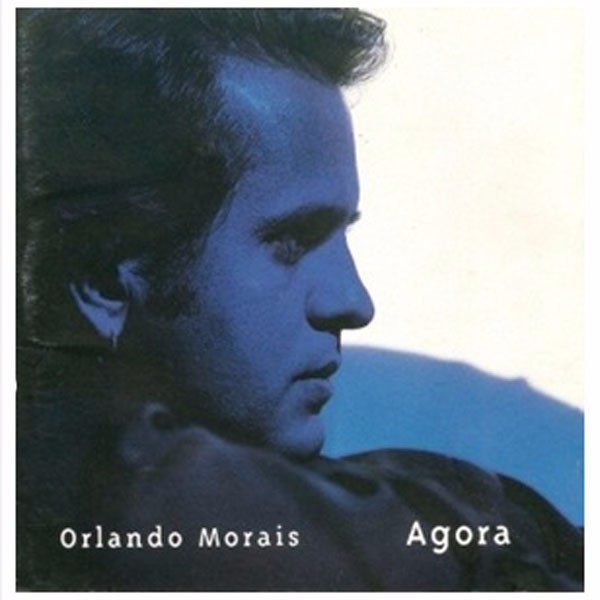
 View Artist