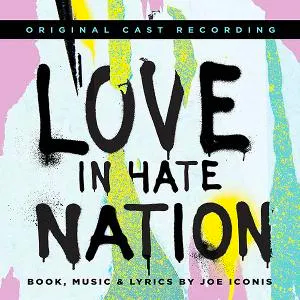
Song Meaning
This song captures the internal tug-of-war when attraction strikes, but fear holds back expression. The narrator describes a powerful, almost involuntary reaction to someone's presence, a feeling that's both exhilarating and terrifying. It’s a classic case of the head and heart being at odds, with the heart cheering on a connection while the mind urges caution. This internal conflict manifests as a suppressed urge to communicate, a desire that gets buried under layers of self-doubt and a fear of what might happen if those feelings were voiced.
The central tension lies in the narrator's struggle to reconcile her feelings with her actions. She acknowledges the potential for something significant, even hinting at a societal readiness for a same-sex relationship with the line "the world might be ready / For two girls going steady." Yet, despite this awareness and the internal "rah rah rah," she chooses to keep these burgeoning emotions "to myself." This deliberate silence, this decision to "keep quiet when I wanna yell," highlights a profound internal battle between desire and inhibition.
The lyrics cleverly use simple, almost childlike onomatopoeia to convey complex emotions. The contrast between "sha la la" (representing the external, perhaps perceived lightness of the situation or the object of affection) and the internal "nah nah nah" versus "rah rah rah" perfectly illustrates the cognitive dissonance. The phrase "a bop she bop becomes how I express / The notions I suppress" is particularly striking, suggesting that even the most basic, rhythmic expressions are now a coded language for feelings she "dare not say." This linguistic playfulness underscores the depth of her emotional repression.
Ultimately, the effectiveness of these lyrics comes from their relatable portrayal of unspoken feelings and the courage it takes to even acknowledge them internally. The narrator's admission that she "would not know how / To begin to tell" is a powerfully honest depiction of vulnerability. The song resonates because it articulates that moment of paralysis before a potential confession, where the imagined consequences loom larger than the immediate joy, leaving the narrator stuck in a silent, internal "finale."