Song Meaning
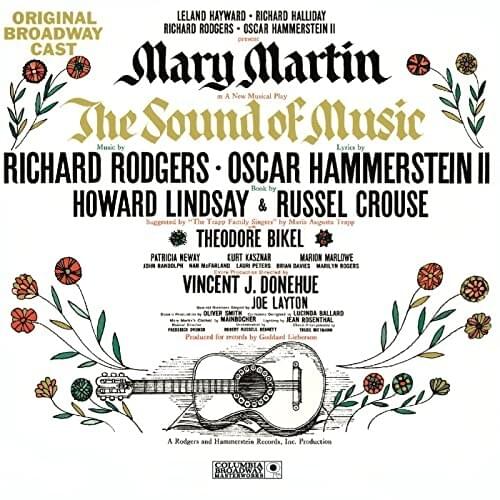
This piece opens with a powerful invocation, "Dixit Dominus Domino meo," a direct quote from Psalm 110, establishing a solemn, almost regal tone. The initial solo voice, joined by the chorus of nuns, immediately grounds the listener in a sacred, liturgical context. The Latin text, a declaration of divine authority and impending victory, sets a stage of immense power and spiritual weight. It’s a pronouncement, not a plea, delivered with unwavering certainty.
The core tension arises from the juxtaposition of divine pronouncements and human adoration. The lyrics move from the assertion of God's power over enemies – "Donec ponan inimicos tuos / Scabelleum pedum tuorum" (Until I make your enemies your footstool) – to an overwhelming expression of awe and desire. This shift highlights the human response to perceived divine might: a mixture of reverence, fear, and profound longing.
The repeated phrase "Dulcedo ineffabilis, ineffabilis" and "Totus desiderabilis, Totus desiderabilis" is where the craft truly shines. The doubling of "ineffabilis" (unspeakable/inexpressible) and "desiderabilis" (desirable) amplifies the intensity of the adoration. It’s not just that the divine is desirable, but *wholly* desirable, and its sweetness is beyond human capacity to articulate. This repetition builds a crescendo of worship, mirroring the overwhelming nature of the emotion being conveyed.
The "Alleluia" sections function as a powerful, almost ecstatic release, a communal affirmation that transcends the specific pronouncements. The layered "Alleluia"s, with the parenthetical echoes, create a sense of a vast, unified choir, building towards the final, definitive "Amen." This structure effectively moves the listener from a formal declaration of power to an uncontainable expression of faith and devotion, leaving a lasting impression of overwhelming spiritual grandeur.
 View Artist