Song Meaning
The lyrics present a direct, almost urgent, plea to embrace joy and movement over stagnation. Milo urges Jerry to choose dancing and living fully, contrasting it with the alternatives of "moping," "despair," and "nursing the blues." The repeated question, "Shall we dance?" acts as a central thesis, framing the entire interaction as a choice between active engagement and passive resignation. It’s a call to seize the moment before time runs out.
The core tension lies in Jerry's apparent reluctance versus Milo's persistent encouragement. Jerry’s spoken lines, particularly "What's my part of the deal?" and "Are you sure that's all?" hint at a cautious or perhaps even suspicious nature, needing clear terms before committing to Milo's proposition. Milo, in contrast, offers a simple, life-affirming philosophy: "Life is short, we're growing older." This shared awareness of mortality serves as the ultimate motivator for Milo’s insistent invitation to dance.
Milo’s craft relies heavily on direct address and a series of contrasting imperatives. Phrases like "Drop that long face" and "Why keep nursing the blues?" are juxtaposed with the positive actions of dancing and putting on "dancing shoes." The repetition of "Dance whenever you can" reinforces the idea that opportunity is fleeting and should be grasped. The spoken dialogue injects a pragmatic, almost transactional element, highlighting Jerry's need for concrete terms while Milo offers only the abstract promise of enjoyment and freedom.
Ultimately, the effectiveness of these lyrics stems from their unvarnished simplicity and the clear emotional stakes. Milo’s relentless optimism and the straightforward call to action create a compelling argument for choosing joy. The lyrics suggest that the act of dancing itself is a metaphor for engaging with life, a way to "walk on air" and keep one's "spirits climb" against the inevitable march of time and potential despair.
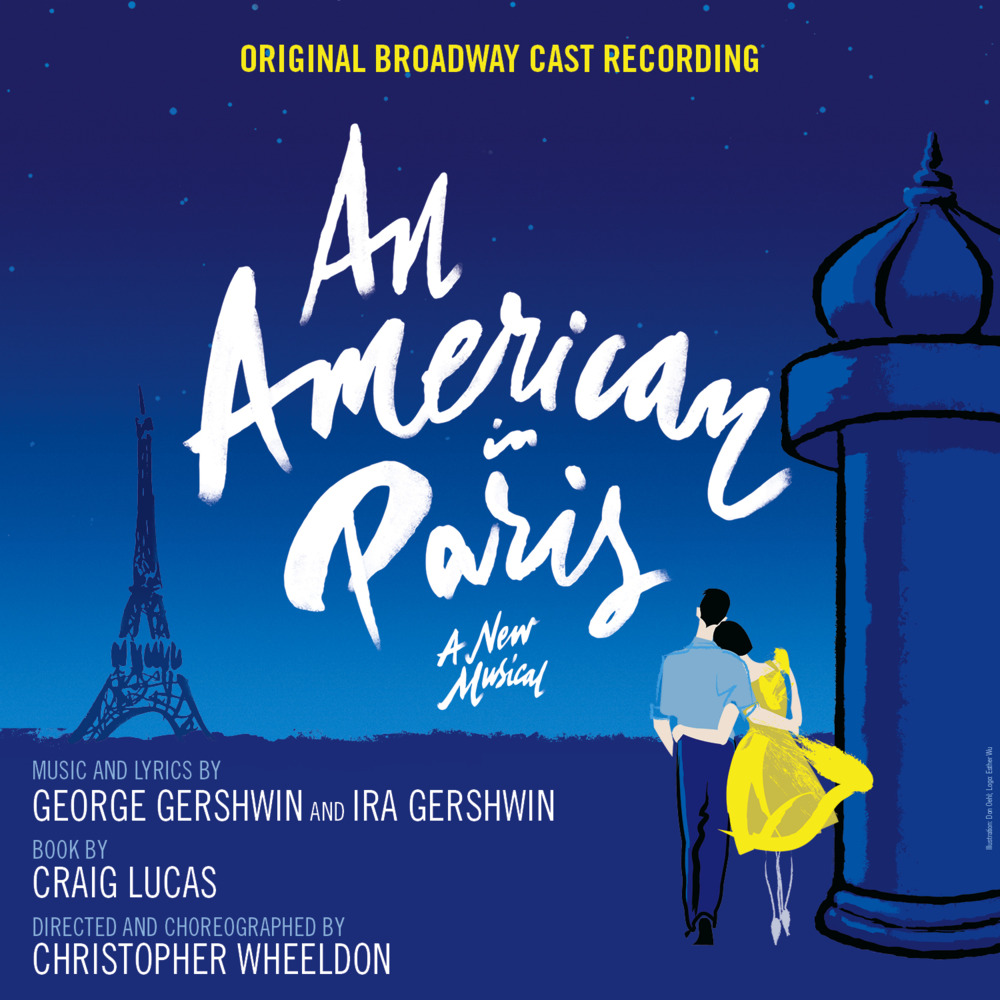
 View Artist