Song Meaning
The lyrics paint a stark picture of inevitable reckoning for a past separation. The narrator asserts that the current state of affairs, this "devran" (cycle/era), won't last forever, directly telling the listener that they too will fade "gününü birinde" (one day). This sets up a tone of assured, almost prophetic, retribution for a past hurt, focusing on the eventual regret the other party will feel. The repeated phrase "Pişman olacaksın günün birinde" hammers home this central prediction of future remorse.
The core tension lies in the narrator's confident prediction of the other person's future suffering and eventual remembrance. The imagery is potent: "karlar yağacak" (snow will fall on your hair) and "yaşlar dolacak" (tears will fill your eyes) are classic metaphors for aging and sorrow. The line "Elbette kalbini biri yakacak" (Surely someone will burn your heart) suggests a future romantic pain that will trigger the memory of the narrator. This isn't about reconciliation; it's about the narrator's certainty that their absence will eventually cause significant pain.
The most striking craft element is the relentless repetition of "gününü birinde" and the direct address "Senin de" (Your too). This structure transforms a simple prediction into a powerful, almost taunting, prophecy. The narrator isn't just hoping for the other person's downfall; they are stating it as an unshakeable fact, emphasizing the shared human experience of aging and heartbreak. The second verse solidifies this with "Ne geri dönecek yolun olacak / Ne de tutunacak dalın kalacak" (You'll have no road back / Nor a branch to hold onto), painting a picture of complete isolation and helplessness.
These lyrics hit hard because they tap into a primal fear of being forgotten and a vengeful satisfaction in seeing a past wrongdoer face consequences. The narrator's unwavering conviction, delivered through stark, universally understood images of aging and loss, makes the prediction feel inevitable. It’s the cold certainty of time and consequence catching up to someone who perhaps believed they were immune, forcing them to "Beni anacaksın günün birinde" (You'll remember me one day).
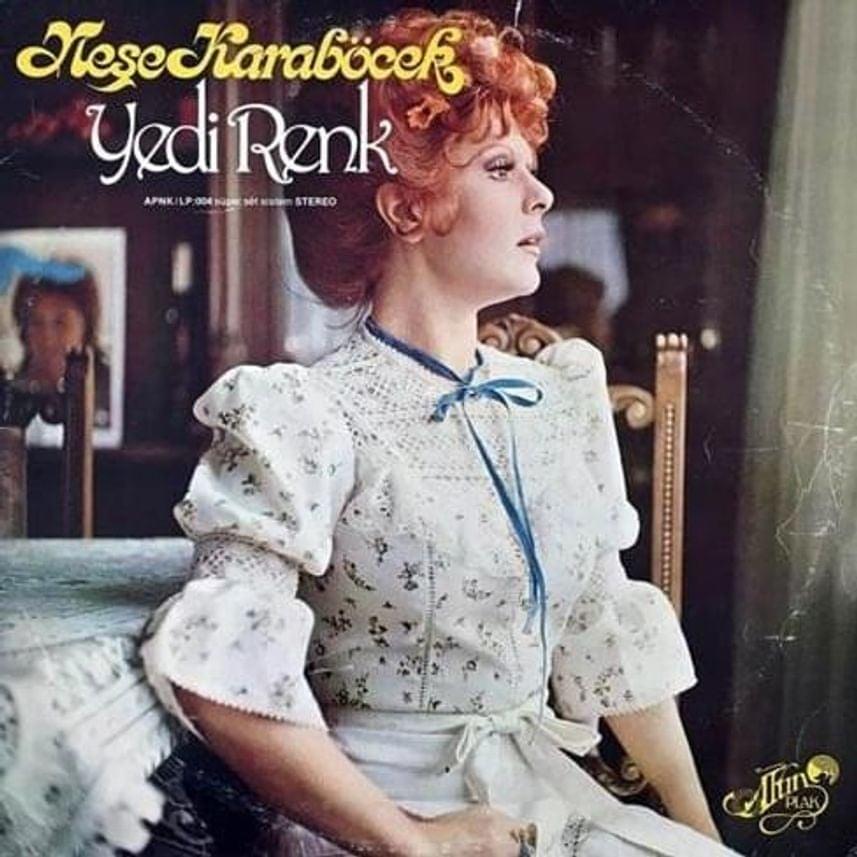
 View Artist