Song Meaning
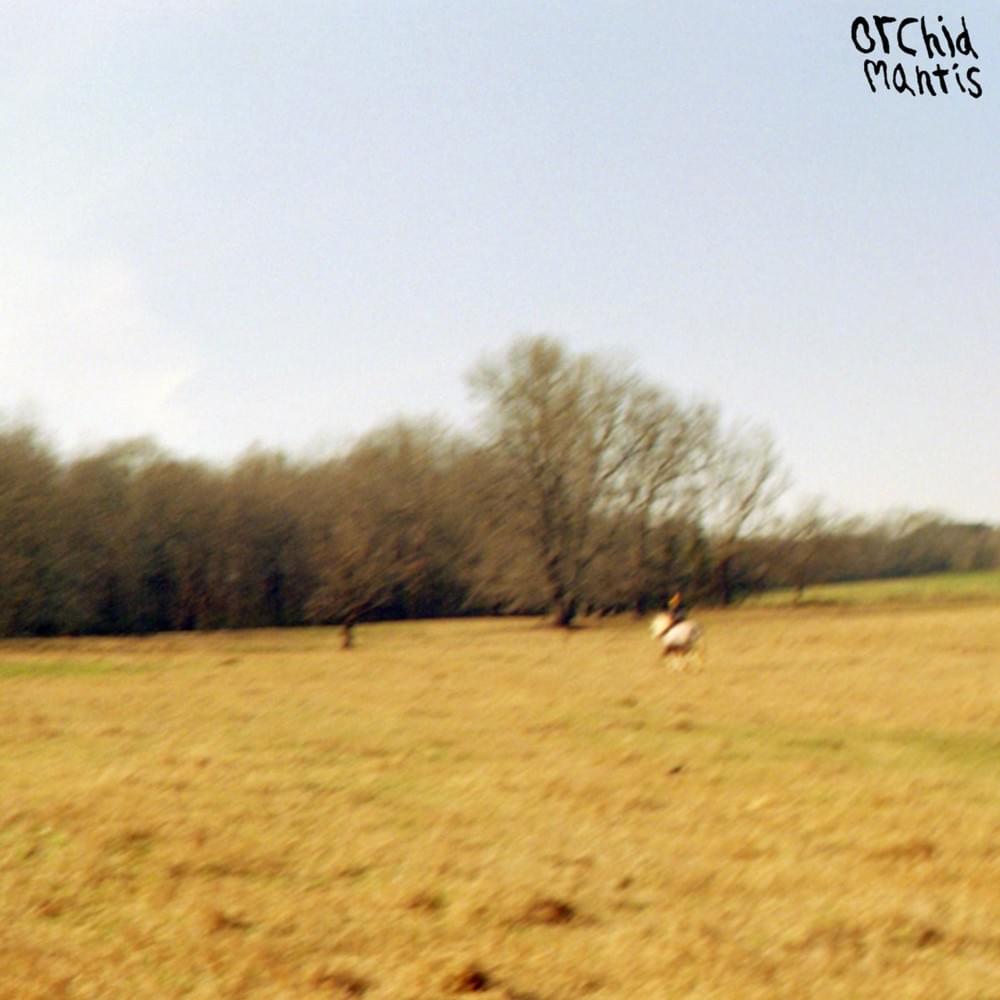
The lyrics open with a quiet, melancholic scene: a narrator staring at an old photograph, grappling with a past so distant it's almost forgotten. There's a palpable sense of time's relentless march, marked by a wistful "wish i knew the day it passed" and the feeling of "older by the season." It immediately sets a tone of reflective longing.
The core emotional tension here stems from a lost connection. The narrator admits, "Don't know where you are" and struggles to articulate how life has progressed since that unknown separation. Despite the difficulty, there's a quiet resilience, a declaration of having "tried to tough it out" and "made it out somehow," suggesting a journey through hardship without the presence of the "you" being addressed.
Crucially, the lyrics introduce memory as a powerful, almost tangible refuge. The repeated phrase, "You can always go back," frames the past not as lost, but as a "place in your mind" accessible at will. This contrasts sharply with the narrator's transient present, described as "passing by" amidst "city lights" and the blur of "train cars," highlighting a life lived in motion, often detached, yet always tethered to that mental sanctuary.
This interplay between movement and stillness, loss and remembrance, makes the lyrics deeply affecting. The imagery of "Staring from an overpass" and observing "fields that fade and skies that last" captures a contemplative perspective on impermanence. Yet, the enduring power of memory allows for a return, a moment where "the world grows still," even as the narrator admits, "i wonder still," leaving a lingering sense of unresolved yearning. The effectiveness lies in this quiet, persistent echo of a past connection, forever preserved in the mind's eye.