Song Meaning
The lyrics paint a picture of a moment of intense, perhaps destructive, realization. The opening lines establish a stark, almost clinical setting: "This is the room / This is the wall / This is the body / I've been hoping for." This suggests a confrontation with a desired outcome or a physical manifestation of a goal, immediately followed by the articulation of long-suppressed thoughts. The narrator seems to have finally reached a point they've been striving for, or perhaps dreading, as they identify it as "the feeling / They warned me about."
The core tension emerges with the repeated, panicked refrain: "Oh my God / What have I done this time." This isn't just regret; it's a profound shock at the consequences of their actions or the achievement of their goal. The subsequent lines, "The things that you've done / You don't understand / The feeling the longing / The failing that's gone," hint at a disconnect between the narrator's internal state and external perception, or perhaps a struggle to comprehend the full impact of their choices. The shift to "What have we done" in the chorus suggests a shared responsibility or a broader societal implication.
The most striking element is the juxtaposition of primal imagery with a sense of modern dread. The parenthetical lines, "Real heart stop in / The arms to be / Everything shouting / In the new stone age" and later, "We'll start living / In the real stone age," evoke a feeling of regression or a return to fundamental, perhaps brutal, instincts. This "new stone age" feels less like progress and more like a chaotic, overwhelming state, where profound emotional experiences lead to a breakdown of understanding and a descent into something raw and untamed.
This lyrical construction is effective because it grounds abstract emotional turmoil in concrete, albeit stark, imagery. The repetition of the panicked question and the stark declarative statements create a sense of inescapable dread. The final, almost resigned, pronouncement of living in a "real stone age" suggests that the narrator's actions have led not to liberation, but to a primal, perhaps primitive, existence, leaving the listener with a chilling sense of consequence and a loss of control.
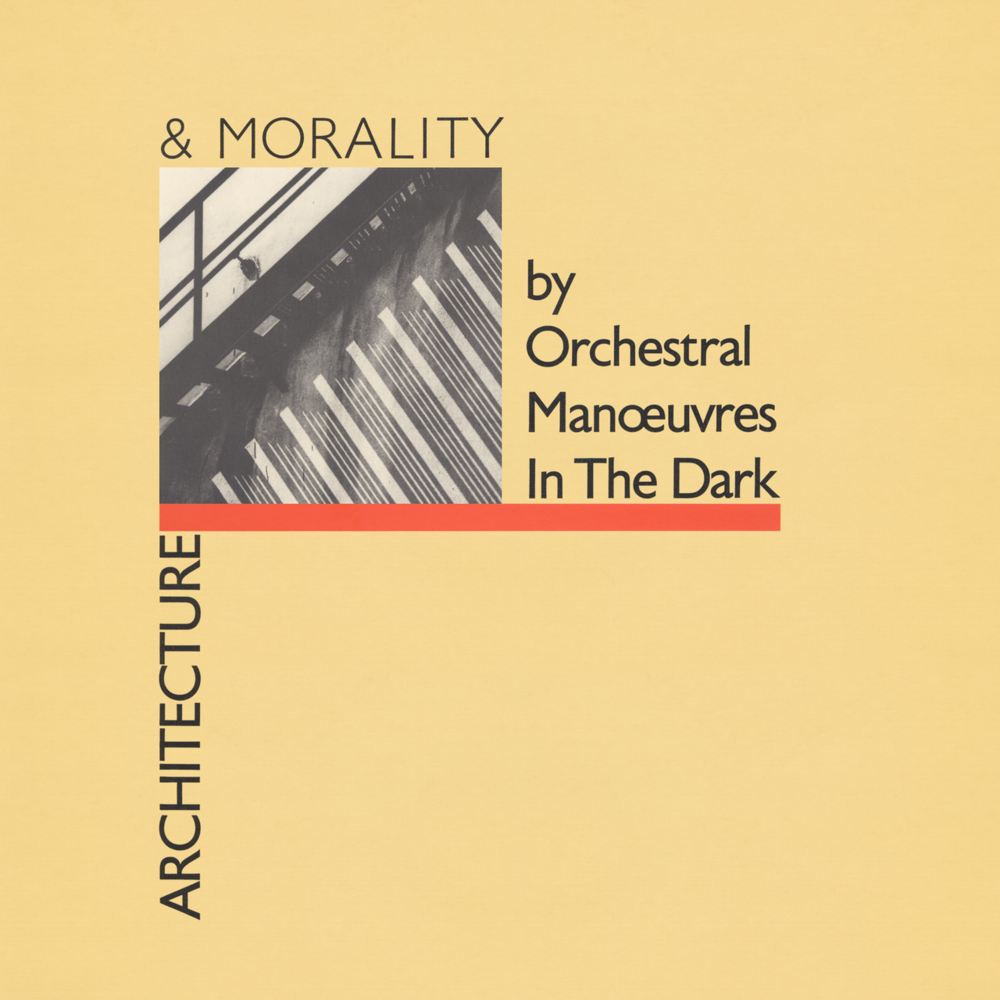
 View Artist