Song Meaning
This track opens with a stifling, sleepless night, a palpable sense of stagnation where the narrator feels stuck. The dominant emotion is a desperate need to escape this inertia, a feeling amplified by a companion's presence. The lyrics suggest a shared impulse to break free from a life that feels stagnant, a mutual decision to flee the suffocating atmosphere. The initial verses paint a picture of being trapped, but the immediate action of leaving signifies a turning point, a rejection of passive despair.
The core tension lies in the push and pull between doubt and determination. The narrator grapples with the uncertainty of their path, acknowledging the fear of the unknown and the possibility of failure. Phrases like "won't be able to live like that" and the repeated idea of accelerating forward highlight a fierce resolve to overcome internal hesitation. This internal conflict fuels the drive to keep moving, to outrun anxieties and embrace the possibility of a better future, even when the destination is unclear.
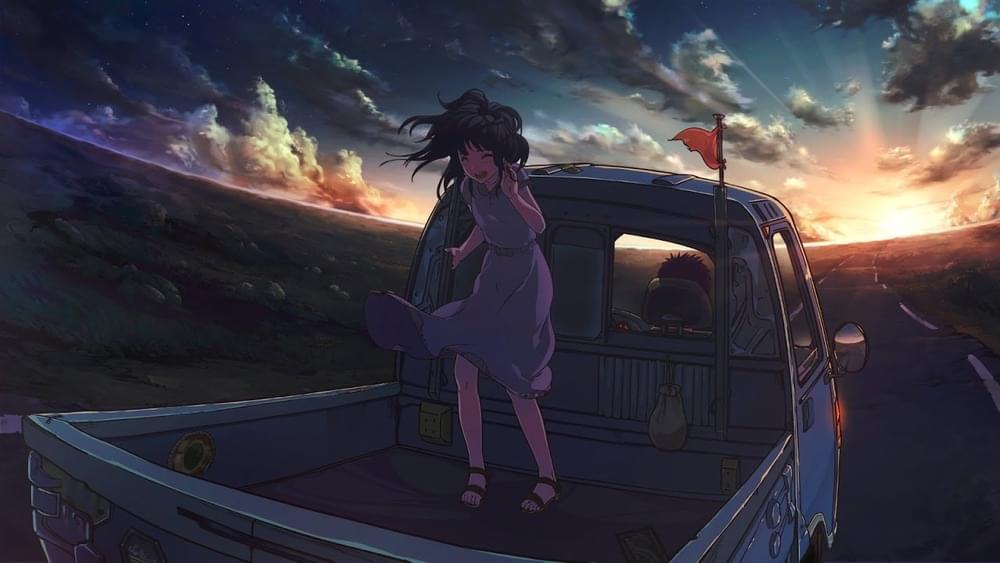
The repeated motif of the "front line" and heading "east" or towards the "rising sun" creates a powerful image of forward momentum and unwavering pursuit. It’s not about a specific place, but a state of being – pushing ahead relentlessly. The contrast between the "starless night" and the eventual "white sky" signifies a transition from darkness to dawning hope. The act of taking only "music that won't sleep" and "lukewarm water" suggests shedding unnecessary burdens, focusing solely on the essentials for the journey.
Ultimately, the effectiveness of these lyrics stems from their raw portrayal of confronting existential dread and choosing action. The narrator's admission of not fully believing in themselves, yet still choosing to move forward, resonates deeply. The song captures that precarious moment where the fear of staying put outweighs the fear of the unknown, making the relentless drive towards an unseen dawn feel both urgent and profoundly hopeful.