Song Meaning
The lyrics paint a stark picture of absence and detachment, opening with a chilling observation about grief's transient nature, suggesting it only clings to the decaying, while the essential self departs. This sets a tone of profound emptiness, as the narrator is "gone away" and the "bed is cold and empty." The natural world mirrors this desolation with trees bending low and nighttime birds appearing as somber "black faces," creating an atmosphere of pervasive melancholy and isolation.
The central tension arises from a sense of inescapable fate and a confrontation with the unknown, hinted at by a disembodied "hand reaching out through the mirror." This spectral image, "unknown and scarred by life," suggests a dark reflection or a past self that is both alien and deeply unsettling. The repeated assertion, "You have nothing more to find / You have nothing more to lose," amplifies this feeling of existential surrender, implying a point of no return where all stakes have been abandoned.
The writing crafts a potent sense of desolation through recurring imagery of emptiness and cold. The "cold season drifts over the land" and the "castles were all empty, asleep" evoke a world stripped bare, awaiting a return that may never come. This pervasive emptiness is further emphasized by the narrator's own departure and the feeling of being "draped within a fate I could not change," culminating in a resigned welcome to "Winter's EPILOGUE," a final, bleak conclusion.
This lyrical construction is effective because it grounds abstract feelings of loss and inevitability in concrete, unsettling images. The contrast between the departed self and the desolate environment, coupled with the unnerving mirror reflection, creates a palpable sense of unease. The repeated phrase about having nothing left to lose hammers home the emotional core, leaving the listener with a lingering impression of profound resignation and the quiet horror of an empty existence.
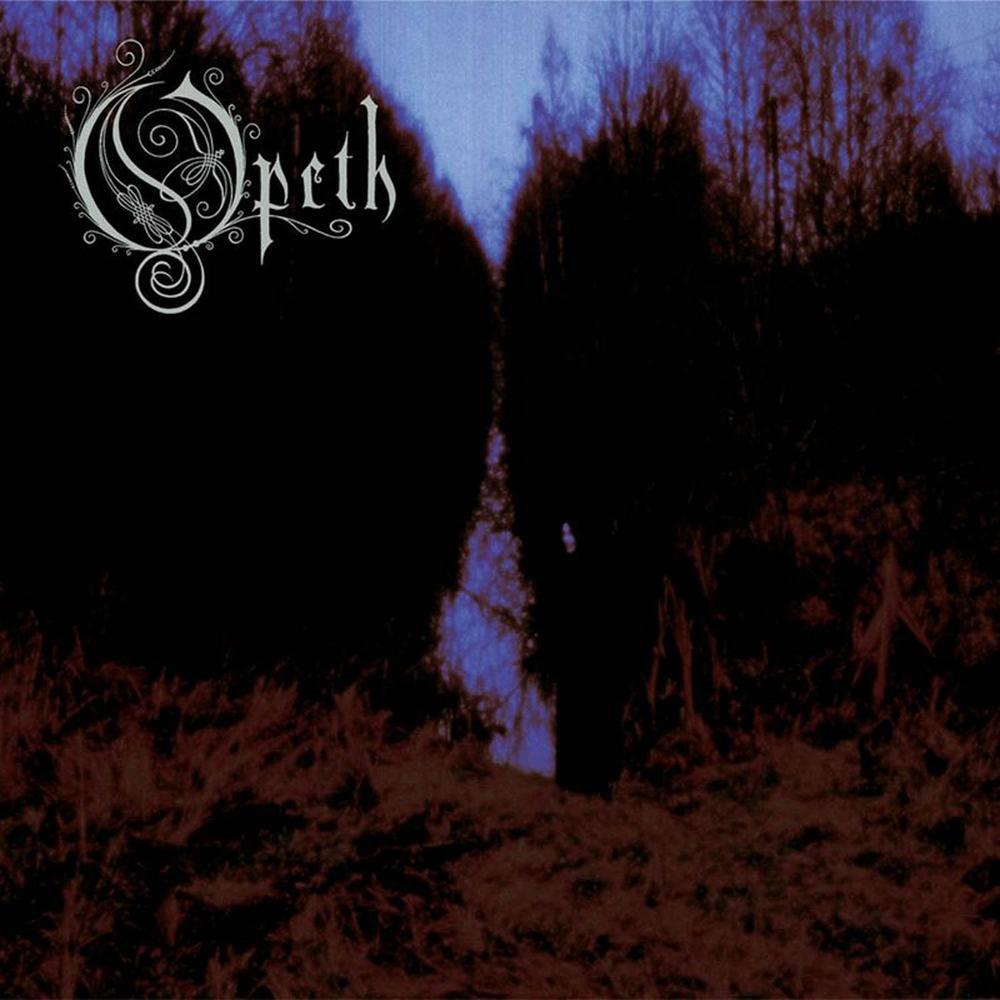
 View Artist